
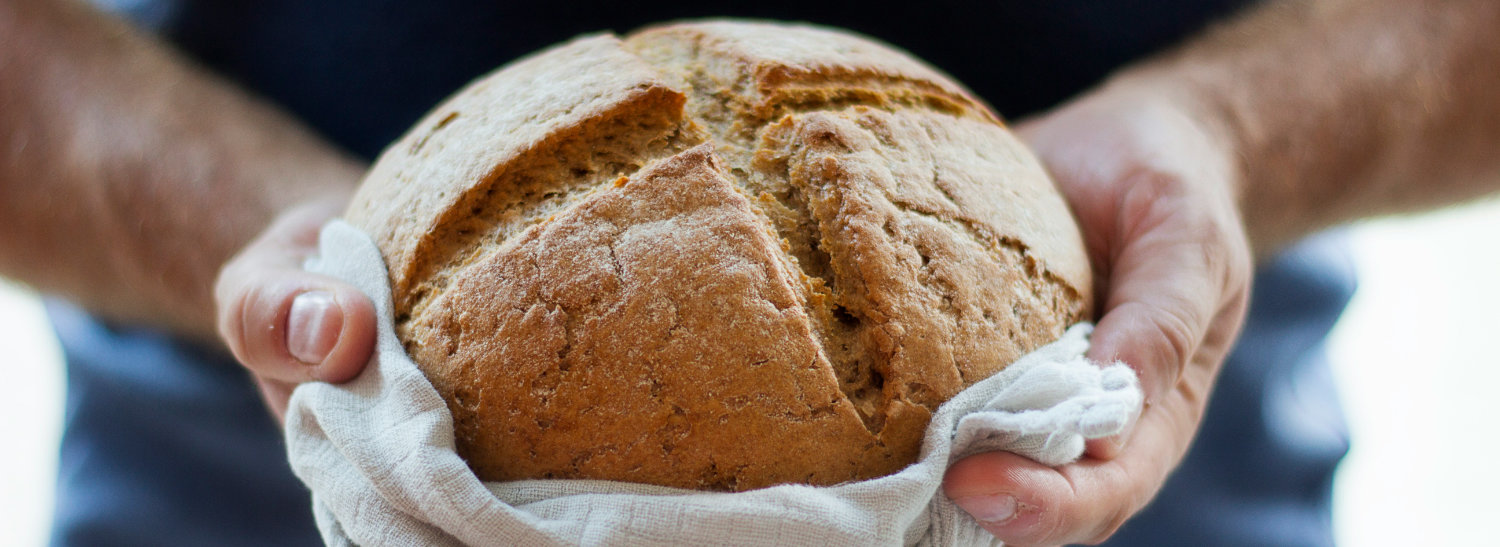
Portuguese Bread: A Culinary Treasure
Broa: The Hearty Cornbread
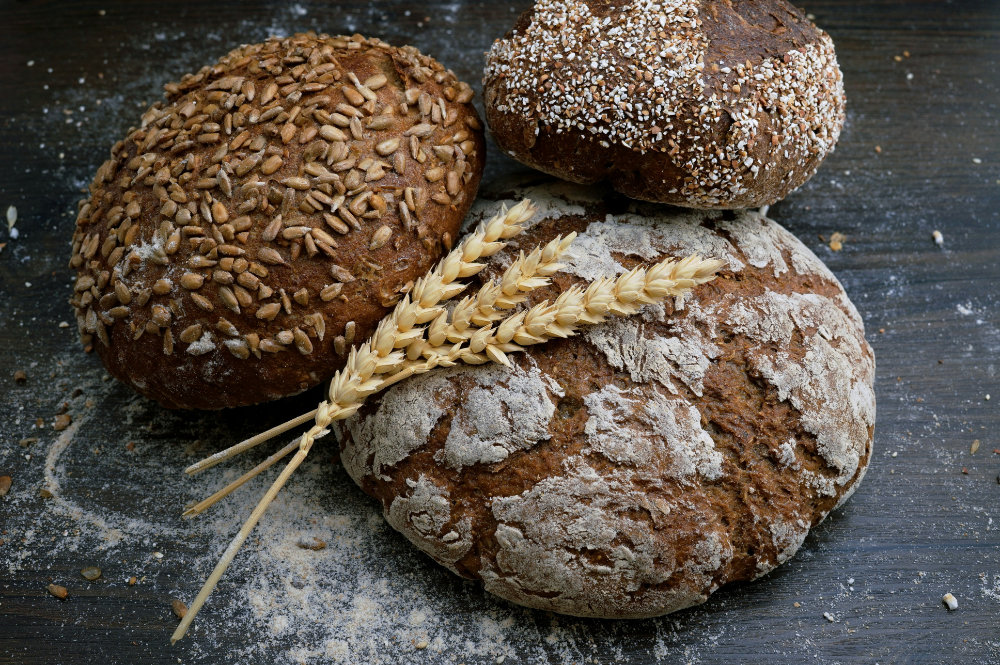
Broa stands out as one of Portugal’s most beloved traditional breads. This dense, rustic bread combines cornmeal with wheat or rye flour. Bakers craft broa using yellow cornmeal, wheat, rye flour, and yeast. The result? A thick-crusted loaf with a moist, flavorful interior.Historically, peasants in northern Portugal baked broa using their corn harvests. Today, people across the country enjoy this versatile bread. Many Portuguese pair broa with soups like caldo verde or use it in dishes such as bacalhau com broa.
Pão Alentejano: The Southern Staple
Hailing from the Alentejo region, pão Alentejano showcases the area’s wheat-growing heritage. Bakers craft this bread in wood-fired ovens, producing a hard, crisp crust and dense crumb. Locals often slice it thickly and dip it generously in the region’s renowned olive oil.
Broa de Avintes: The Dark Northern Delight
Near Porto, you’ll find the distinctive broa de Avintes. This dark bread uses corn flour, rye, and malt, resulting in a dense texture and intense, bittersweet flavor. Many northerners consider it a comfort food, pairing it with soups, grilled fish, or smoked sausages.
Regional Specialties
Bolo Lêvedo: Azorean Sweet Bread
The Azores archipelago contributes bolo lêvedo to Portugal’s bread repertoire. Despite its name meaning “cake,” bolo lêvedo is a soft, sweet bread. Bakers use water, flour, eggs, sugar, salt, butter, milk, and yeast to create its distinctive round shape. Locals often enjoy it warm with butter or fruit jams.
Bolo do Caco: Madeira’s Unique Offering
Madeira Island presents bolo do caco, a unique flatbread made with wheat flour and sweet potatoes. Traditionally baked on a hot stone, this bread offers a soft texture and slightly sweet flavor. It pairs wonderfully with garlic butter.
Everyday Portuguese Breads
Papo Seco and Carcaça: The Daily Staples
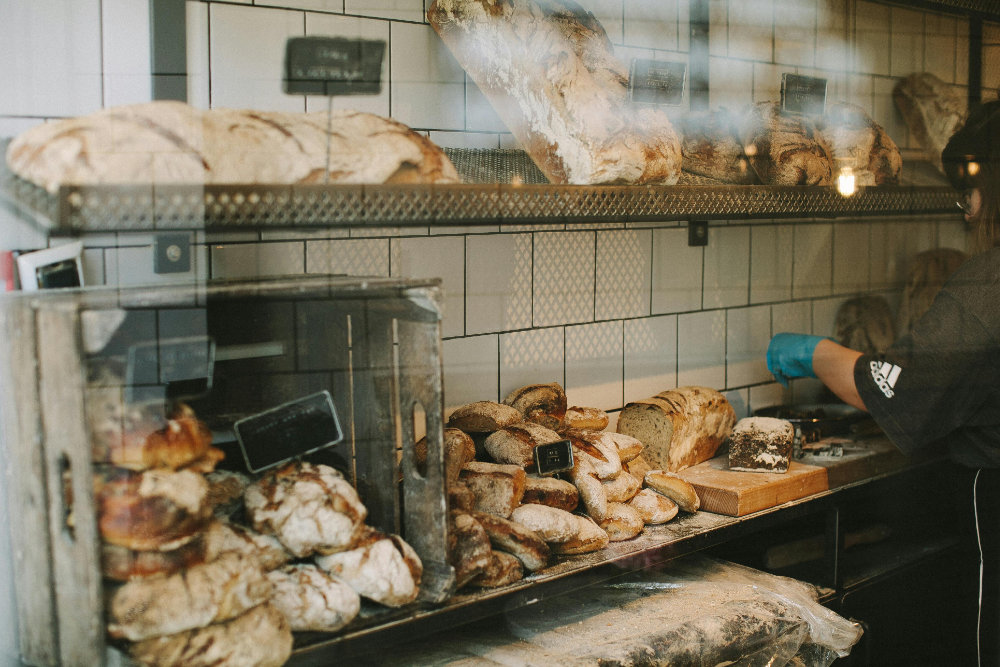
In bakeries and cafes across Portugal, you’ll find papo seco and carcaça. These fluffy rolls feature a slightly crispy crust and airy interior. They serve as the foundation for many Portuguese sandwiches, including the popular bifana.
Pão de Mafra: The Certified Loaf
Pão de Mafra, a certified bread from the Lisbon region, follows strict production guidelines. Made with local ingredients and baked in traditional wood-fired ovens, it boasts a soft crumb and fine, hard crust. Its unique qualities have earned it protected status.
Bread in Portuguese Culture
Bread plays a central role in Portuguese daily life. Many households still gather around the table, sharing warm loaves while discussing their day. This tradition underscores the social importance of bread in Portuguese culture. In rural areas, some bakers still craft bread using only flour, water, yeast, and salt. They eschew additives, preservatives, and unnecessary ingredients, focusing on the pure essence of bread.
Bread in Portuguese Cuisine
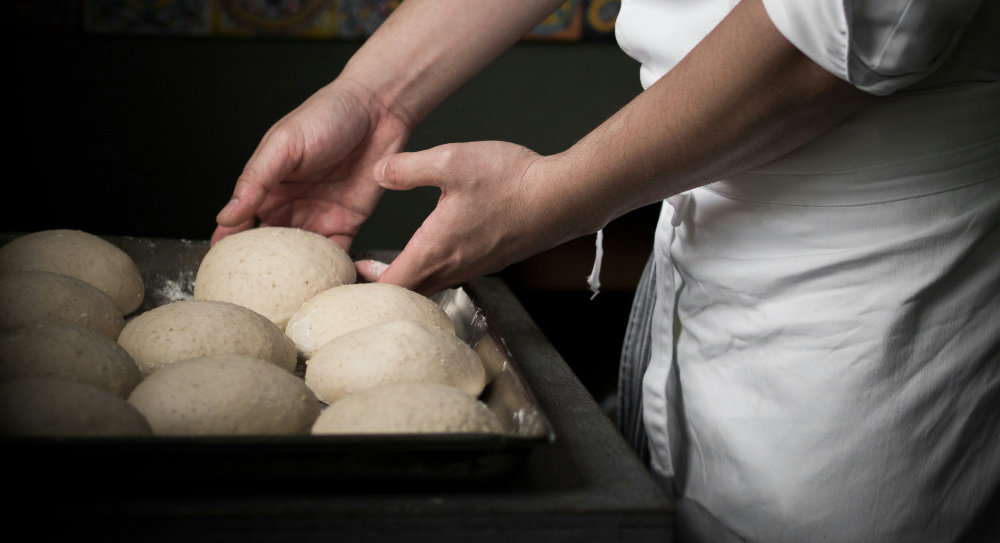
Portuguese cuisine incorporates bread into various dishes. Açorda, a popular soup from the Alentejo region, uses bread as a key ingredient. Once a humble dish of boiled bread with herbs and olive oil, açorda has evolved into a trendy offering in top restaurants. Another bread-based dish, ensopado, features marinated meat cooked with fried or toasted bread. These recipes showcase the versatility and importance of bread in Portuguese cooking.
Celebrating Bread
Portugal’s love for bread extends to its festivals and museums. The Festa dos Tabuleiros, held every four years in Tomar, features young women parading with freshly baked loaves on their heads. For bread enthusiasts, the Museu do Pão in Seia offers a deep dive into the history and cultural significance of Portuguese bread. In conclusion, Portuguese bread represents more than sustenance – it embodies tradition, family, and culinary artistry. From hearty cornbreads to sweet island specialties, Portugal’s diverse bread offerings invite exploration and enjoyment. So, on your next visit to Portugal, don’t miss the chance to savor these delicious breads and experience a true taste of Portuguese culture.


