Get back to wellness
Portugal is a country rich in history, culture, and natural beauty, and among its hidden gems are the natural spas that offer relaxation and healing. Let’s explore some of the most notable health spas in Portugal, their historical significance, culinary delights, and how to get there.
The tradition of spas in Portugal dates back to Roman times when the Romans recognized the therapeutic benefits of mineral water. The term “spa” comes from the Latin phrase “Sanitas per Aquam,” meaning “health through water.” This ancient wisdom has been preserved through the ages, with many modern spas built around these natural springs.
Portugal’s thermal baths are not just places for relaxation; they are vital components of health tourism. Over the years, these spas have evolved into high-quality wellness centers that attract both locals and tourists. The northern regions, particularly Trás-os-Montes and central areas like Luso and Curia, are especially renowned for their therapeutic waters. Some of the most notable spas include:
1. Caldas de Monchique
Located in the Algarve region, Caldas de Monchique is known for its mineral-rich waters that have been used since Roman times. The Villa Termal das Caldas de Monchique offers luxurious accommodations and a variety of spa treatments.
Prices: Day passes typically range from €30 to €50 depending on treatments chosen.
2. Termas de Luso
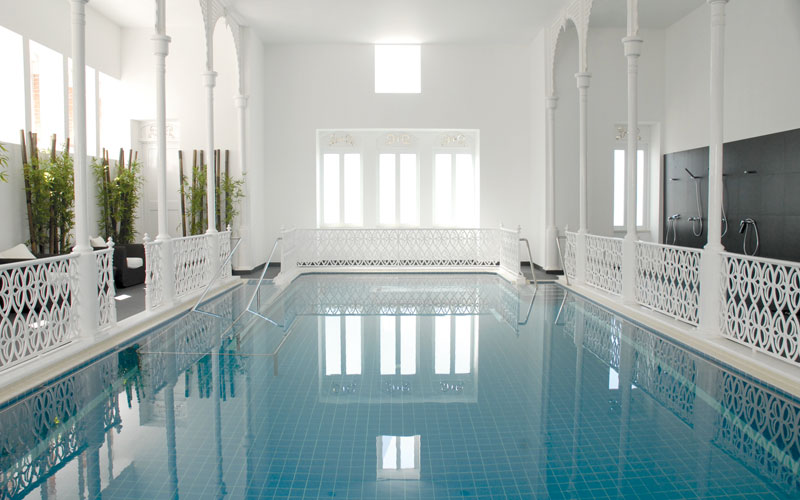
Nestled in the Buçaco Mountains, Termas de Luso has been a health destination since 1852. The spa combines traditional balneotherapy with modern wellness treatments in a stunning natural setting.
Prices: Access to thermal baths starts around €20, with additional costs for specific treatments.
3. Furnas, São Miguel (Azores)
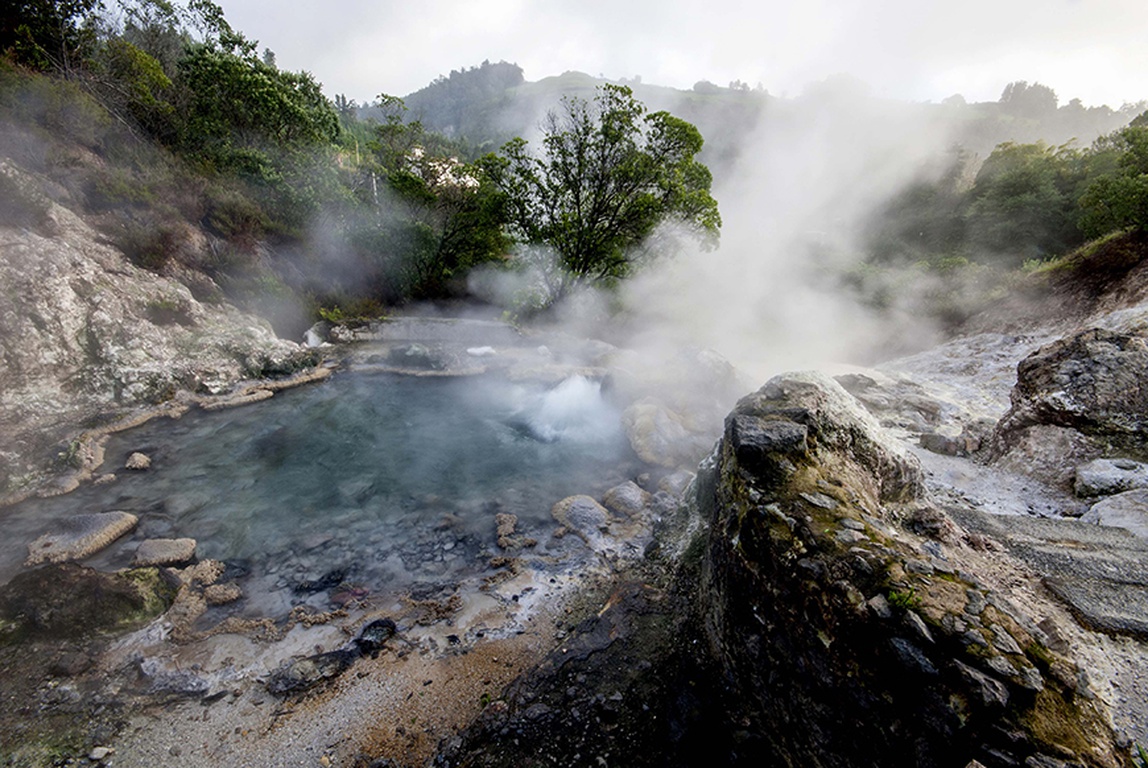
Furnas is famous for its volcanic hot springs and lush gardens. The Parque Terra Nostra features a large thermal pool filled with iron-rich water at a comfortable 37°C (98°F), making it a perfect spot for relaxation.
Prices: Entrance fees are approximately €8 to €15 for park access; additional fees apply for specific treatments.
4. Termas de Unhais da Serra
This mountain spa located in Serra da Estrela National Park offers a unique experience with its Aquadome facility. Known as one of Europe’s largest mountain spas, it provides various therapeutic treatments amid stunning natural scenery.
Prices: Day access starts at around €25, with packages available for extended stays.
5. Termas do Gêres
Situated within Peneda-Gerês National Park, this spa combines breathtaking landscapes with therapeutic waters known for their health benefits against obesity and diabetes.
Prices: Entry fees are generally around €15 to €30 depending on services selected.
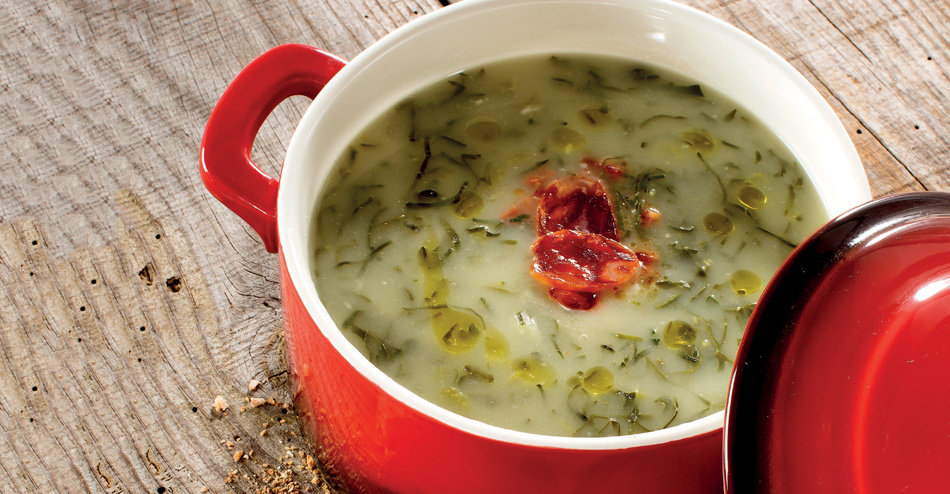
A visit to any of these spas wouldn’t be complete without indulging in local cuisine. Portugal is famous for its rich culinary heritage:
- Traditional Dishes: Many spas offer healthy dining options featuring local ingredients such as fresh fish, seasonal vegetables, and traditional dishes like Caldo Verde (green soup) or Bacalhau à Brás (codfish).
- Local Wines: Pair your meals with regional wines from nearby vineyards. The Douro Valley is particularly famous for its Port wines.
- Herbal Teas: Many spas also provide herbal teas made from local plants known for their medicinal properties.
Getting There
By Car
Driving through Portugal offers scenic views and flexibility. Major highways connect you to most spa towns:
- From Lisbon to Caldas de Monchique takes about 3 hours via A2 and A22.
- To reach Termas de Luso from Porto, expect a 1-hour drive via A1 and A25.
- Furnas in the Azores requires a flight to São Miguel Island followed by a short drive.
By Public Transport
Portugal has a robust public transport system:
- Trains: Regular train services connect major cities to spa towns like Luso and Monchique.
- Buses: Intercity buses offer routes to most thermal resorts; check local schedules for specific times.
- For locations like Furnas in the Azores, flights from Lisbon or Porto are necessary followed by local transport options like taxis or rental cars.
Prices mentioned are accurate at the time of writing (November 2024) and may vary over time.