
Christmas in Portugal is a time of joy, family gatherings, and rich traditions that blend religious customs with festive celebrations. From unique local practices to nationwide traditions, the Portuguese Christmas season is filled with warmth, delicious food, and cultural significance.
Family Gatherings and Christmas Eve Dinner
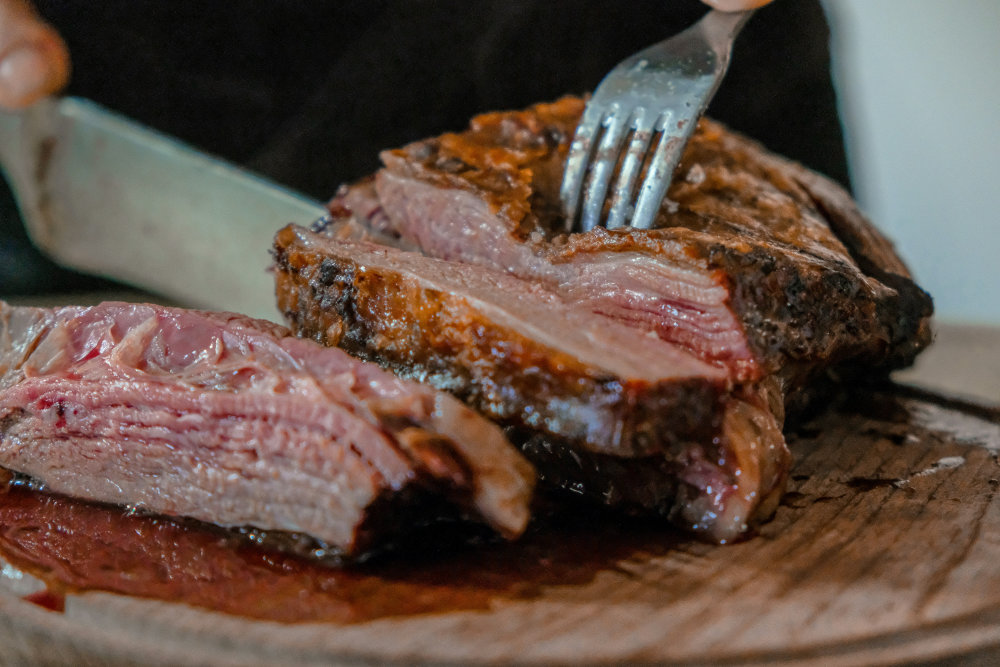
The heart of Portuguese Christmas lies in the family gathering on Christmas Eve, known as “Consoada.” Families come together for a special dinner, typically featuring “Bacalhau com couves” – boiled salted cod with cabbage, potatoes, and vegetables, drizzled with high-quality Portuguese olive oil. This traditional dish holds a special place in Portuguese cuisine and Christmas celebrations.
Other popular Christmas Eve dishes include octopus (“Polvo”), roasted lamb (“cabrito assado”), and turkey (“peru”). These meals, often reserved for special occasions, highlight the importance of the Christmas feast in Portuguese culture.
Christmas Desserts and Sweets
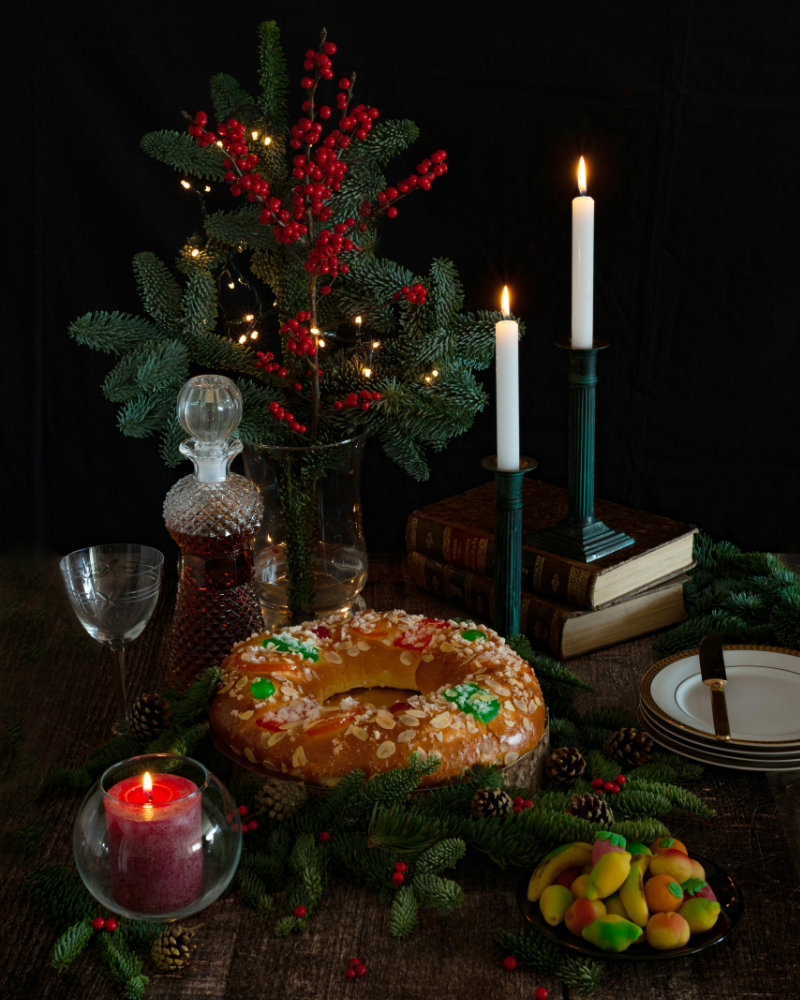
No Portuguese Christmas is complete without an array of traditional desserts and sweets. The centerpiece of many Christmas tables is the “Bolo Rei” (King Cake), a round cake filled with candied fruits and nuts. A unique tradition surrounds this cake – it often contains a small gift and a broad bean. The person who finds the gift keeps it, while the one who gets the bean must buy next year’s Bolo Rei.
Other popular Christmas sweets include:
- Rabanadas (Portuguese-style French toast)
- Sonhos (Portuguese doughnuts)
- Aletria (sweet vermicelli pudding)
- Arroz Doce (rice pudding)
- Broas castelares (sweet potato and coconut cookies)[5]
Gift-Giving and Religious Traditions
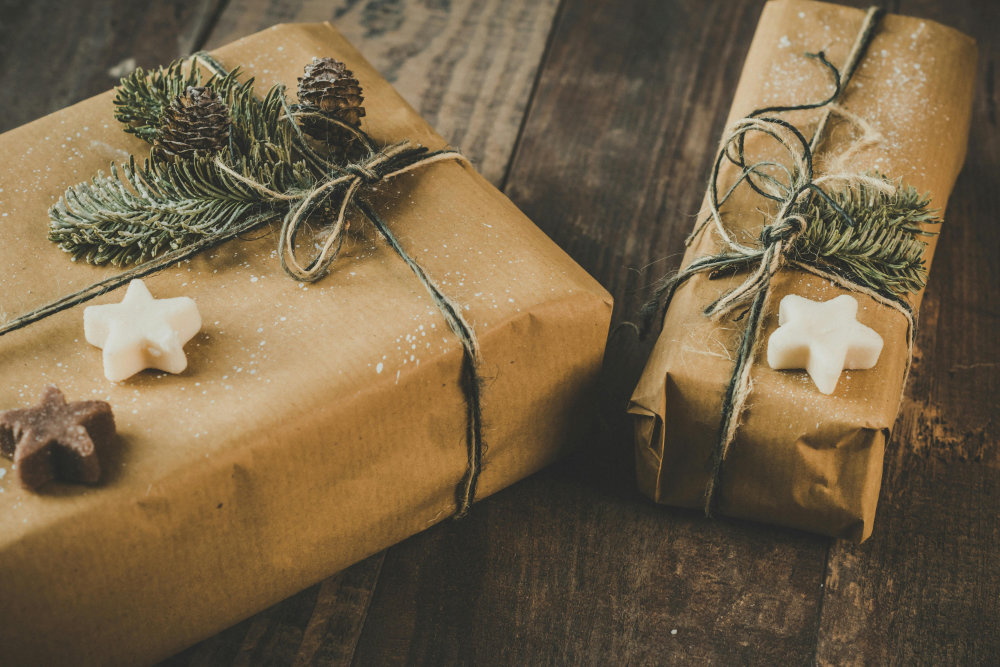
In Portugal, “Pai Natal” (Father Christmas) brings presents to children on Christmas Eve. Some families open gifts at midnight, while others wait until Christmas morning[5]. Interestingly, some Portuguese still maintain the tradition of the Baby Jesus bringing presents instead of Santa Claus.
The religious aspect of Christmas remains strong in Portugal. Many families attend the “Missa do Galo” (Rooster’s Mass) at midnight on Christmas Eve. During this service, people kiss an image of baby Jesus, which is then placed in the church’s nativity scene.
Unique Local Traditions
Caretos de Varge
In the town of Varge, Trás-os-Montes, a unique tradition called “Caretos de Varge” takes place. On Christmas Day, single young men dress in pagan masks and colorful costumes, running through the town creating chaos and singing satirical songs. This ancient custom celebrates the winter solstice and symbolizes the departure of cold weather.
Madeiros Bonfires
In many northern and central Portuguese towns, people light large bonfires called “Madeiros” on Christmas Eve. These bonfires, which burn throughout the night, have roots in ancient pagan celebrations of the winter solstice. The tradition is particularly strong in cities like Bragança, Guarda, and Castelo Branco.
Magusto da Velha
In Aldeia Viçosa, near Guarda, a peculiar tradition called “Magusto da Velha” takes place on December 26th. People gather in the church square, where 150 kilograms of chestnuts are thrown from the church tower, and wine is distributed to the crowd. This custom originated from a wealthy woman’s will, requesting chestnuts and wine be given to the townspeople in exchange for prayers.
Christmas Decorations
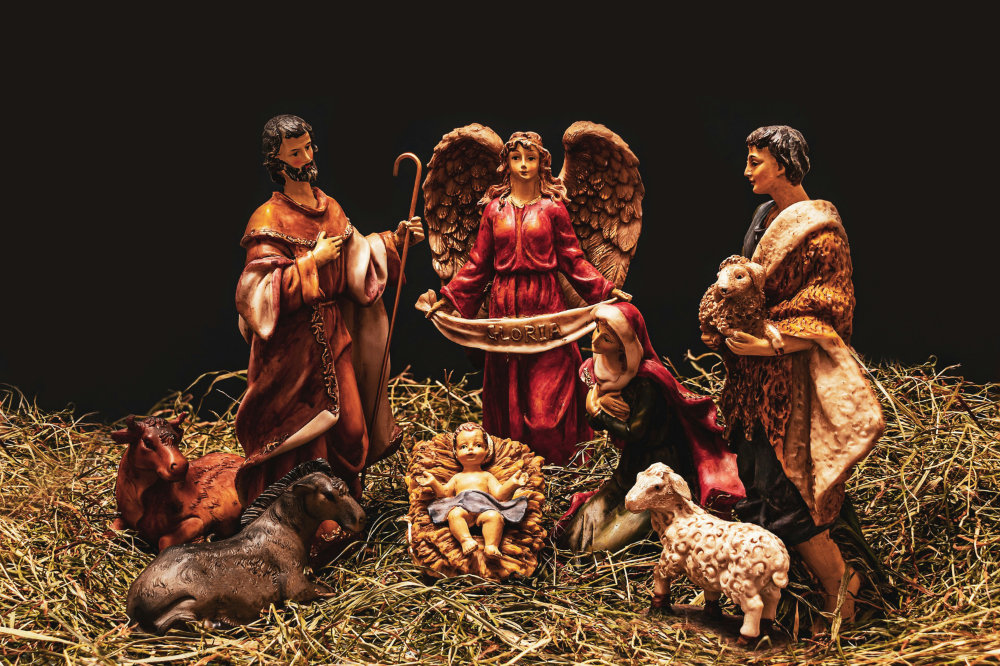
While Christmas trees have become common in Portuguese homes since the 1970s, the nativity scene or “Presépio” remains the most traditional Christmas decoration. Portuguese families often create elaborate nativity scenes, with some public displays featuring hundreds of figures, waterfalls, and even rotating windmills.
Post-Christmas Celebrations
The Christmas season in Portugal extends beyond December 25th. In early January, groups of people go from house to house singing “Janeiras” (January songs) and carrying an image of baby Jesus. Homeowners traditionally invite these carolers in for snacks and drinks, continuing the spirit of Christmas well into the new year.
Christmas in Portugal is a time of rich traditions, delicious food, and strong family bonds. From the nationwide customs of the Consoada dinner and midnight mass to unique local celebrations like the Caretos de Varge and Madeiros bonfires, Portuguese Christmas traditions reflect the country’s deep cultural heritage and religious roots. These customs, passed down through generations, continue to bring joy and unity to Portuguese families during the holiday season.


