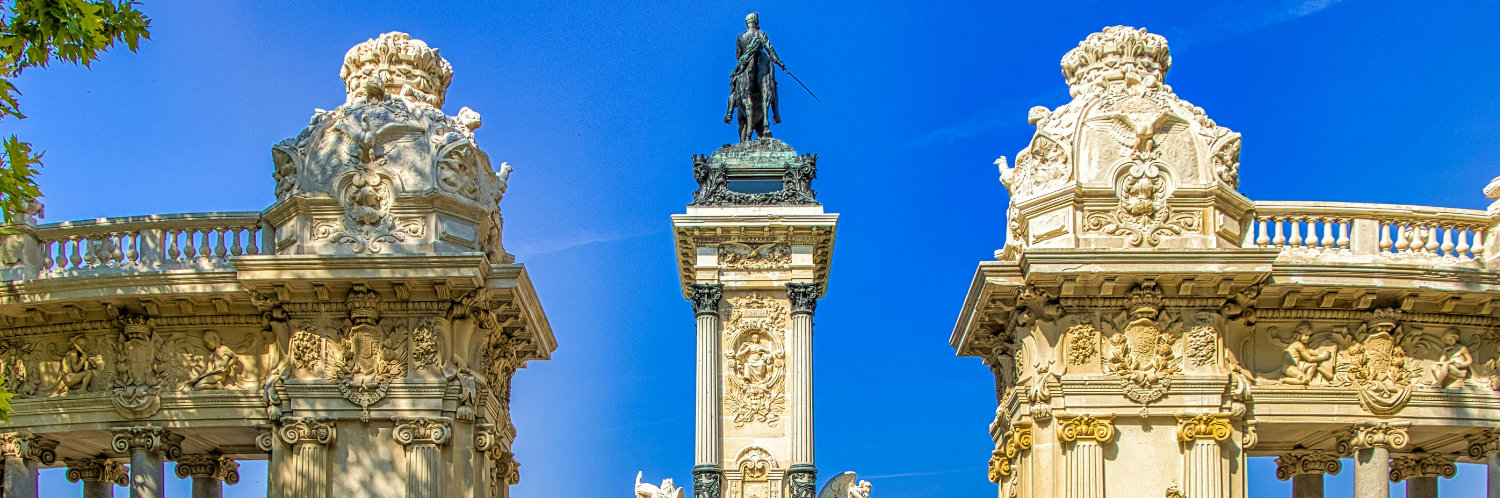
Madrid, the vibrant capital of Spain!
This incredible city is a treasure trove of history, culture, and unforgettable experiences. Let’s dive into what makes Madrid so special and why it should be at the top of your travel list.
Madrid’s story begins in the 9th century when it was just a small Moorish outpost. Fast forward to today, and you’ll find a bustling metropolis that seamlessly blends its rich past with a dynamic present. The city really came into its own in 1561 when King Philip II moved the royal court here, setting Madrid on the path to becoming the powerhouse it is today.
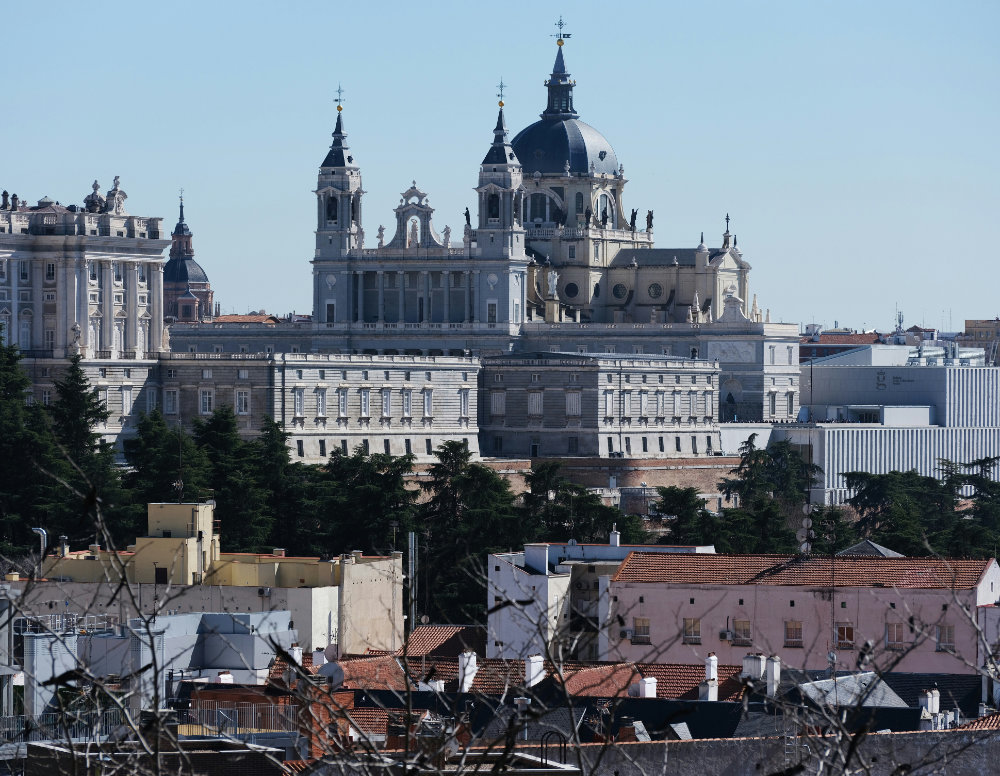
As you explore Madrid, you’ll be struck by its grandeur. The Royal Palace is a must-see – it’s the largest royal palace in Western Europe, with over 3,000 rooms. While the Spanish royal family doesn’t live there anymore, it’s still used for state ceremonies. A tour will set you back about €12, but it’s worth every euro to see the opulent state rooms and the Royal Armory.
Just a stone’s throw from the palace, you’ll find the Almudena Cathedral. It’s a relative newcomer to Madrid’s skyline, only completed in 1993, but its neo-Gothic interior is breathtaking. Entry is free, though donations are appreciated.
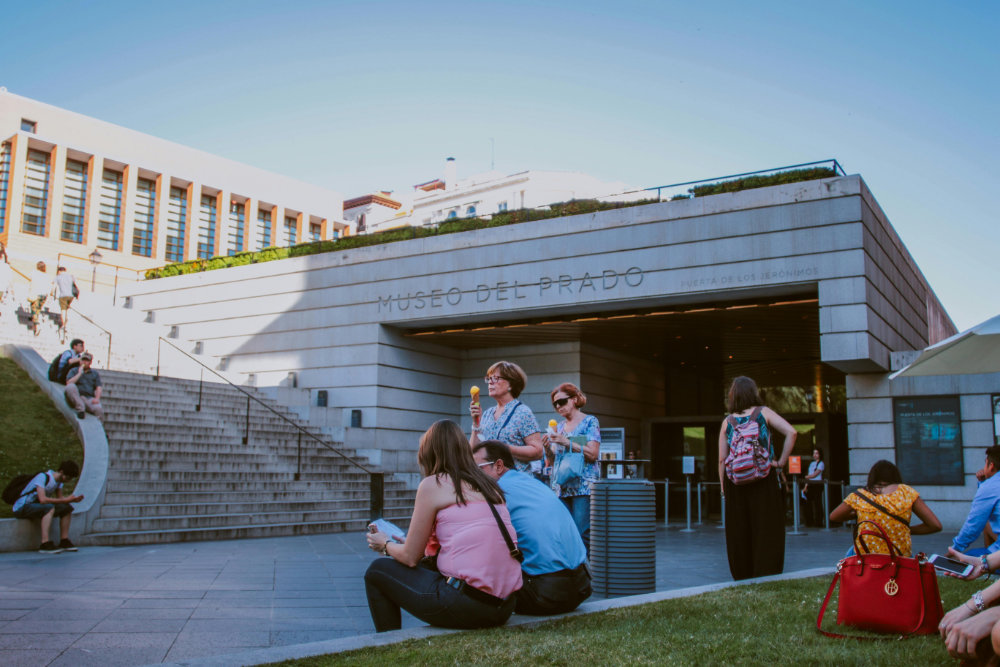
Art lovers, rejoice! Madrid is home to what’s known as the Golden Triangle of Art. The Prado Museum houses one of the world’s finest collections of European art, with masterpieces by Velázquez, Goya, and El Greco. The Reina Sofia Museum is where you’ll find modern and contemporary art, including Picasso’s haunting “Guernica.” And the Thyssen-Bornemisza Museum fills in the gaps with its eclectic collection. A combined ticket for all three will set you back about €40, but it’s a small price to pay for such an incredible art experience.
One of Madrid’s hidden gems is the Sorolla Museum, housed in the former home of the painter Joaquín Sorolla. It’s often overlooked by tourists but offers a intimate look at the artist’s life and work, as well as a beautiful garden – a perfect escape from the bustling city.
No visit to Madrid is complete without a stroll through the Puerta del Sol, the city’s most famous square. It’s the heart of Madrid, where locals gather to celebrate New Year’s Eve, eating twelve grapes as the clock strikes midnight – one for each chime. It’s also home to the famous Bear and Strawberry Tree statue, the symbol of Madrid.
For a bird’s eye view of the city, head to the rooftop terrace of the Círculo de Bellas Artes. For a small fee (around €5), you can enjoy panoramic views of Madrid’s skyline while sipping a cocktail. It’s particularly magical at sunset.
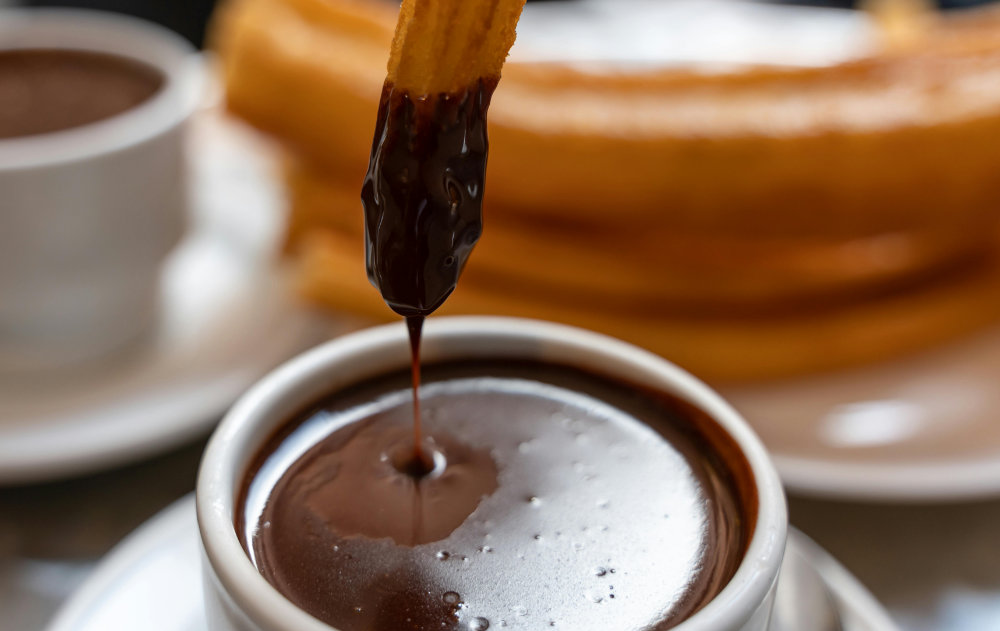
Madrid’s culinary scene is a feast for the senses. Start your day with churros con chocolate at the iconic Chocolatería San Ginés. It’s been serving up these crispy, sugary delights since 1894, and at about €4 for a serving, it’s a sweet deal.
For lunch, head to the Mercado de San Miguel. This beautiful iron-and-glass market is a food lover’s paradise. You can sample everything from fresh seafood to artisanal cheeses and, of course, Spain’s famous jamón ibérico. It’s a bit pricey, but the quality and atmosphere make it worth the splurge.
When it comes to dinner, you can’t leave Madrid without trying cocido madrileño, a hearty stew that’s been warming Madrileños for centuries. La Bola has been serving this dish since 1870, and they still cook it the traditional way – in individual clay pots over a wood fire. Expect to pay around €25 for this filling meal.
For a unique experience, consider taking a Spanish cooking class. Many places, like Cooking Point, offer classes where you can learn to make paella, tortilla española, or gazpacho. It’s a fun way to dive into Spanish culture and take home some culinary skills.
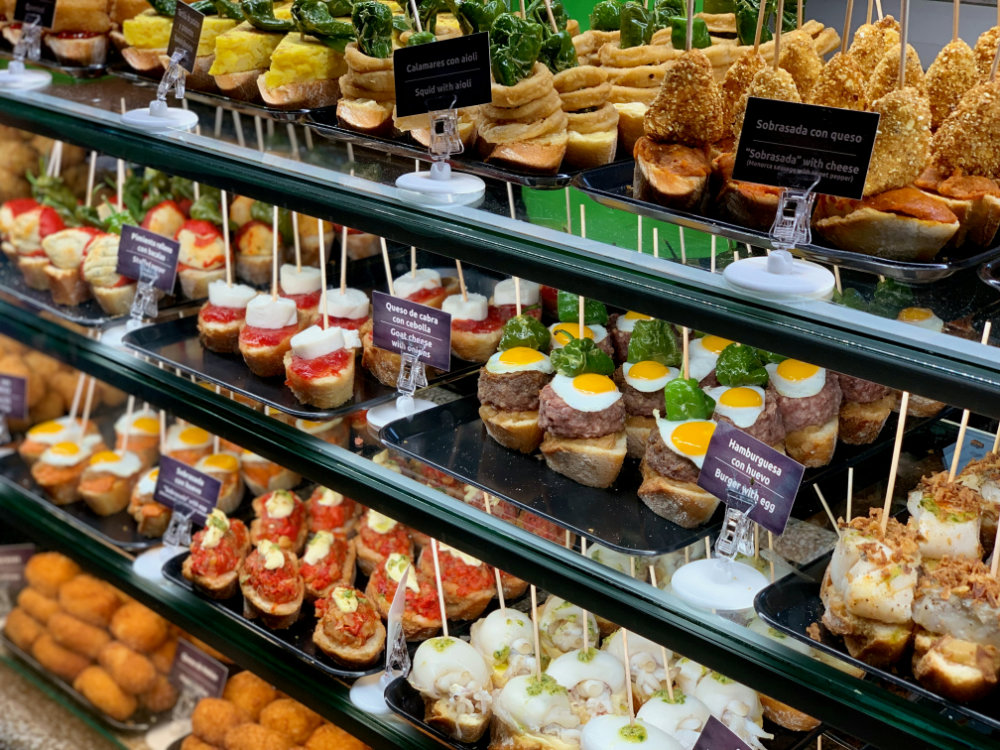
Tapas – it’s not just food – it’s a way of life in Spain. La Latina neighborhood is tapas central, with bars lining Calle Cava Baja. Try La Perejila for their famous croquetas, or Juana La Loca for their creative pintxos. Remember, in Madrid, it’s common to have a drink and a tapa in one place before moving on to the next – it’s all part of the experience.
Speaking of drinks, you can’t visit Madrid without trying vermouth. This fortified wine has made a comeback in recent years, and bars like La Hora del Vermut are leading the charge. For something stronger, check out Museo Chicote, a cocktail bar that’s been shaking things up since 1931 and has served everyone from Ernest Hemingway to Grace Kelly. If you’re a jazz fan, Café Central has been hosting live performances every night since 1982. It’s a cozy venue that’s hosted both local talent and international stars.
Madrid’s craft beer scene has exploded in recent years. Bars like Fábrica Maravillas and La Tape offer a wide selection of local and international craft beers.
Madrid’s nightlife is legendary, with clubs staying open until the early hours of the morning. Areas like Huertas and Malasaña are popular for bar-hopping, while clubs like Teatro Kapital offer multiple floors of different music styles.
If you’re lucky enough to visit Madrid during one of its festivals, you’re in for a treat. The most famous is probably San Isidro, held in mid-May to honor the city’s patron saint. For about a week, Madrid erupts in a whirlwind of parades, concerts, and traditional costumes. Don’t miss the chulapos and chulapas dancing the chotis in the streets!
In August, the Verbena de la Paloma takes over the La Latina neighborhood. This traditional festival features music, dance, and plenty of food and drink. It’s a great way to experience Madrid’s local culture, but be prepared for crowds and hot weather.
For film buffs, the Madrid International Film Festival in July showcases both Spanish and international cinema. Many screenings are held outdoors in beautiful locations around the city, making for a magical movie-watching experience.
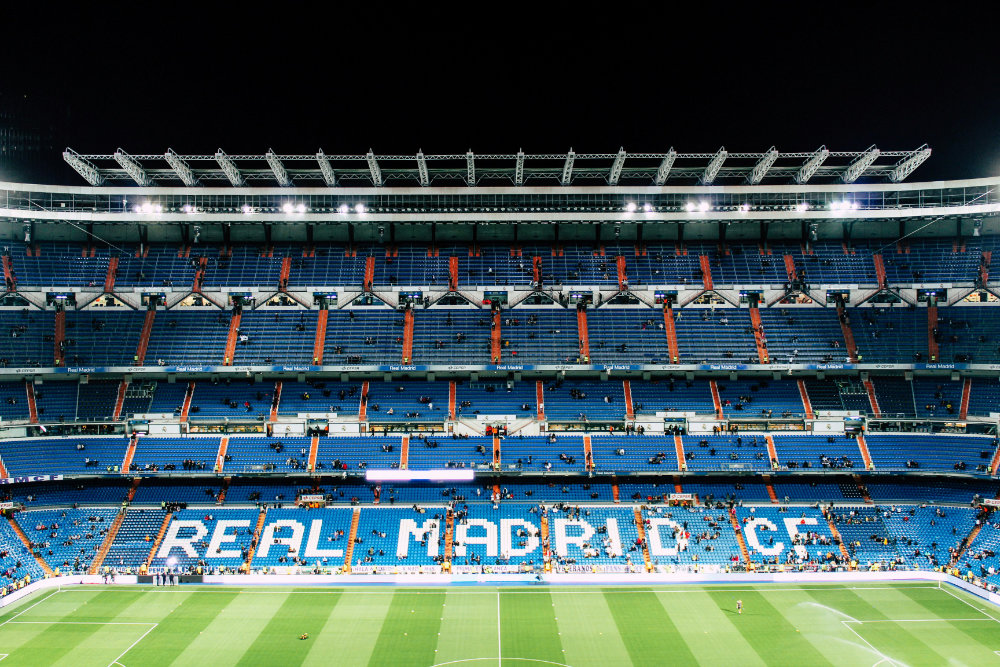
If you’re a sports fan, a visit to Santiago Bernabéu Stadium, home of Real Madrid, is a must. Even if you can’t catch a match, the stadium tour (about €25) gives you access to the trophy room, the pitch, and even the players’ dressing rooms. You can try to catch an Atlético Madrid match at the Wanda Metropolitano stadium. The atmosphere is electric, and tickets are often easier to come by than for Real Madrid games.
For a taste of Madrid’s more alternative side, head to the Malasaña neighborhood. This area, once the epicenter of the countercultural Movida Madrileña in the 1980s, is now home to quirky vintage shops, cool bars, and street art. It’s a great place to experience Madrid’s youthful energy.
Nature lovers shouldn’t miss El Retiro Park, Madrid’s green lung. This former royal garden is now a public park where you can row boats on the lake, visit the Crystal Palace, or simply relax on the grass with a good book. On weekends, it comes alive with street performers, fortune tellers, and impromptu drum circles.
Madrid is also a great city for runners. The Madrid Rio park, built over a submerged highway, offers miles of paths along the Manzanares River. It’s a popular spot for locals to jog, cycle, or simply enjoy a picnic.
One of Madrid’s most charming traditions is the paseo – the evening stroll. As the heat of the day subsides, locals emerge to walk, chat, and enjoy the cooler air. Join in this ritual for a true taste of Madrid life.
For a unique shopping experience, check out El Rastro, Madrid’s most famous flea market. Held every Sunday morning, it’s a maze of stalls selling everything from antiques to handmade crafts. Just keep a close eye on your belongings, as pickpockets are known to operate in crowded areas.
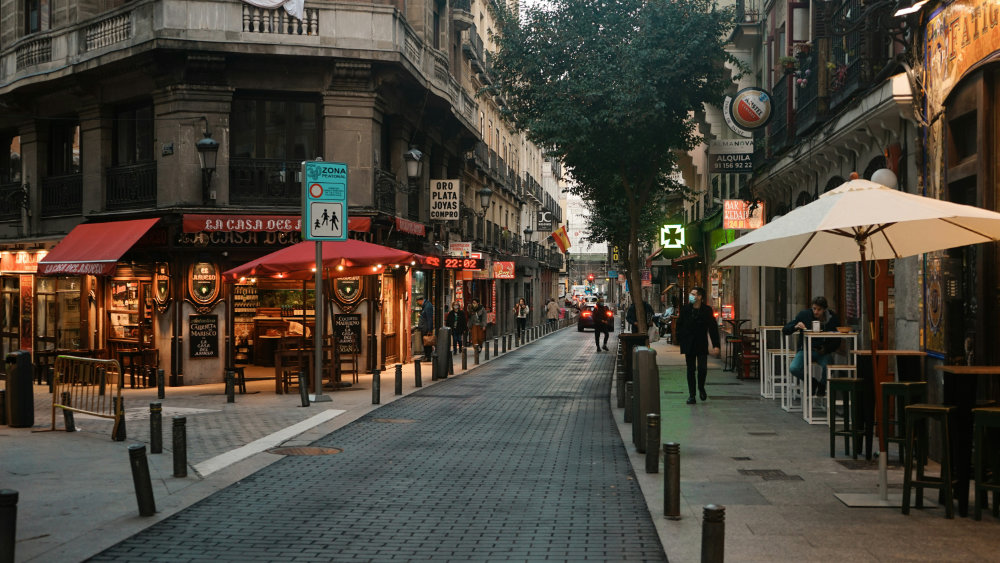
If you’re a book lover, don’t miss the Barrio de las Letras, or Literary Quarter. This neighborhood was home to many of Spain’s great writers during the Golden Age of Spanish literature. Look down as you walk – you’ll see quotes from famous works embedded in the streets.
For a dose of quirkiness, visit the Temple of Debod. This ancient Egyptian temple was gifted to Spain in 1968 and reassembled in Madrid. It’s one of the few examples of ancient Egyptian architecture that can be seen outside of Egypt.
For a truly local experience, catch a zarzuela performance. This uniquely Spanish genre combines opera, popular song, and spoken dialogue. The Teatro de la Zarzuela is the place to see these lively, often humorous shows.
Madrid’s LGBTQ+ scene is vibrant and welcoming, centered around the Chueca neighborhood. The Madrid Pride festival in early July is one of the largest in Europe, attracting visitors from around the world.
If you’re visiting with kids, the Madrid Zoo Aquarium is a great option. It’s home to over 6,000 animals from 500 species, including giant pandas. The aquarium section features a dolphin show that’s a hit with children.
For science enthusiasts, the National Museum of Natural Sciences is worth a visit. Its collection includes dinosaur skeletons, a replica of a megalodon jaw, and an extensive insect collection.
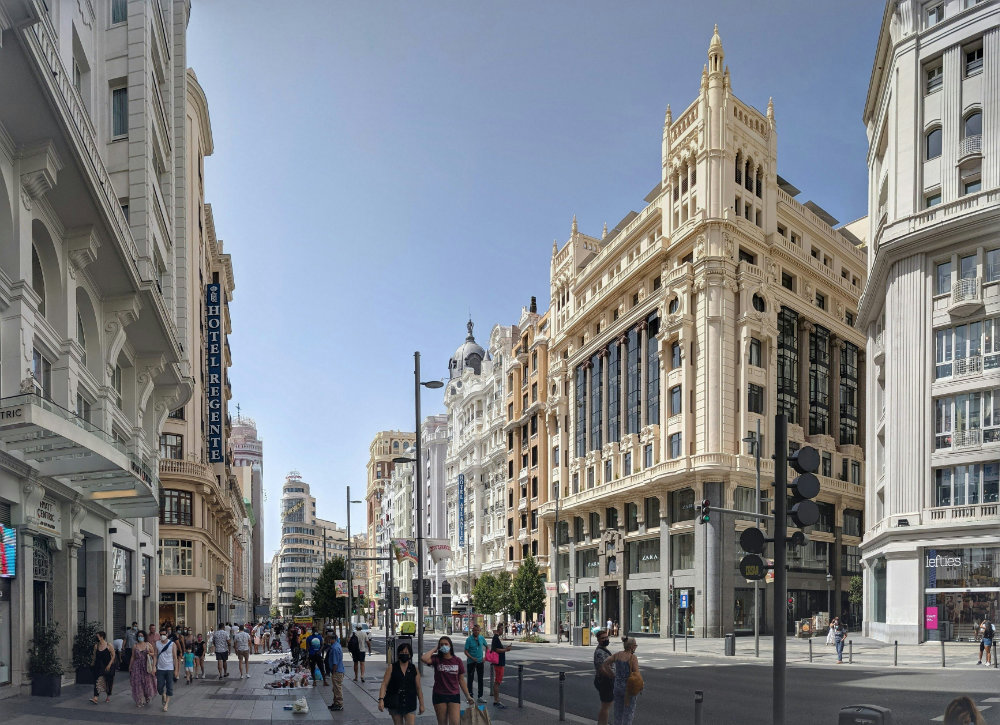
If you’re a fan of architecture, don’t miss the Metropolis Building on Gran Vía. Its ornate Beaux-Arts facade and distinctive dome make it one of Madrid’s most photographed buildings.
For a peaceful retreat, visit the Royal Botanical Garden. Founded in 1755, it houses thousands of plant species and is particularly beautiful in spring when the flowers are in bloom.
If you’re interested in contemporary art, ARCO Madrid, held annually in February, is one of Europe’s largest contemporary art fairs. Even if you’re not buying, it’s a great opportunity to see works from galleries around the world.
For a unique dining experience, consider Sobrino de Botín, recognized by Guinness World Records as the oldest continuously operating restaurant in the world. Their speciality is cochinillo asado (roast suckling pig), prepared using the same recipe since 1725.
For a peaceful morning, head to Retiro Park early to watch tai chi practitioners or join a public yoga class. It’s a serene way to start your day before diving into the city’s hustle and bustle.
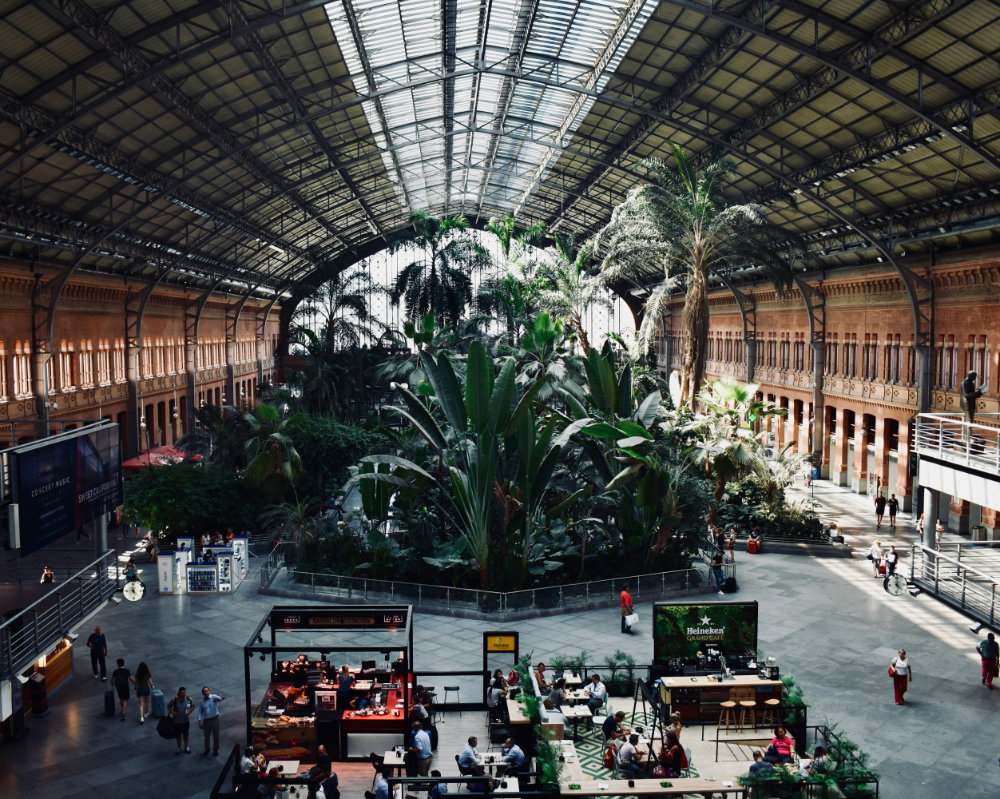
Madrid’s Atocha train station is worth a visit even if you’re not catching a train. Its tropical garden, home to hundreds of species of plants and even turtles, is a unique feature for a railway station.
For a glimpse into Madrid’s working-class history, visit the Chamberí Ghost Station. This abandoned metro station has been preserved as it was in the 1960s and offers a fascinating look at Madrid’s past.
For a taste of Madrid’s innovative culinary scene, book a table at DiverXO, the only three-Michelin-starred restaurant in the city. Chef Dabiz Muñoz’s avant-garde creations are a gastronomic adventure.
Madrid’s Matadero, a former slaughterhouse turned cultural center, hosts exhibitions, performances, and a weekend farmers’ market. It’s a great place to experience Madrid’s contemporary cultural scene.
For a unique souvenir, visit Casa de Diego, which has been making hand-crafted fans and umbrellas since 1858. Their beautiful creations are works of art in themselves.
Madrid’s diversity is reflected in neighborhoods like Lavapiés, where you can find cuisine from around the world. From Senegalese to Indian to Korean, it’s a testament to Madrid’s multicultural character.
When it comes to accommodation, Madrid has options for every budget. In the city center, you’ll find everything from luxury hotels like The Westin Palace to charming boutique options like Only YOU Boutique Hotel. For budget travelers, hostels like The Hat or Generator Madrid offer comfortable beds and social atmospheres at reasonable prices.
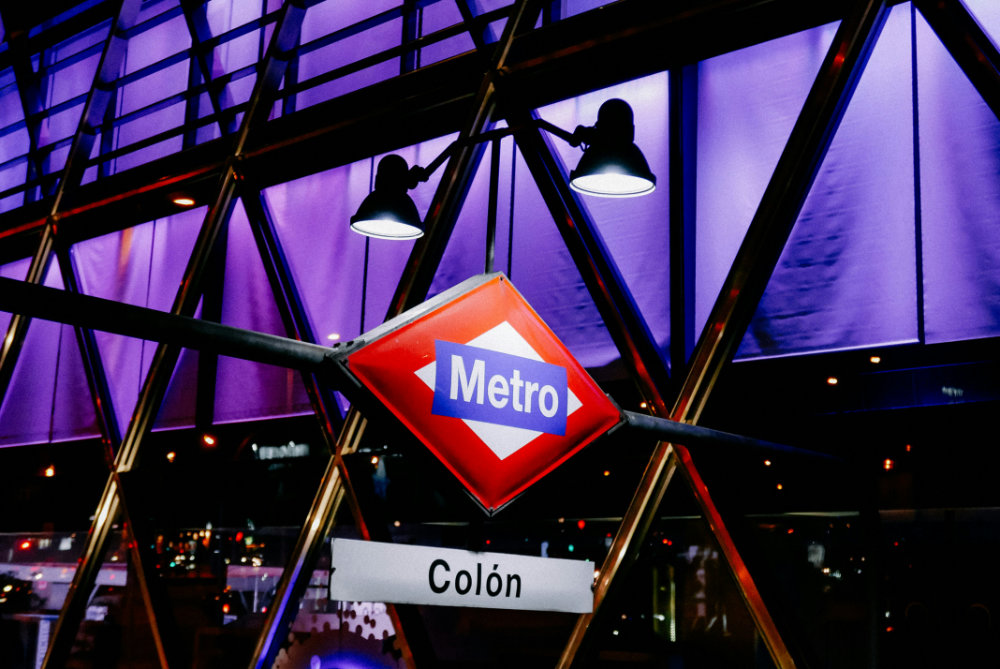
Madrid’s public transportation system is easy to use and affordable. The Metro is extensive, clean, and efficient, with a single ticket costing just €1.50. If you’re planning to use it a lot, consider getting a tourist travel pass – a 3-day pass costs about €20 and gives you unlimited use of all public transport.
If you’re driving, be aware that Madrid has implemented strict traffic regulations in the city center to reduce pollution. The area known as Madrid Central is off-limits to non-resident vehicles, with hefty fines for violations. It’s best to park your car on the outskirts and use public transport to explore the city center.
Madrid’s commitment to sustainability is evident in initiatives like BiciMAD, the city’s electric bike-sharing system. It’s an eco-friendly way to explore the city, with stations located throughout the center.
For those flying in, Madrid-Barajas Airport is one of Europe’s busiest. It’s well-connected to the city by Metro (about 30 minutes to the center) and express bus services.
Madrid’s weather is generally pleasant, with hot summers and mild winters. However, it can get extremely hot in July and August, with temperatures often exceeding 95°F (35°C). If you’re visiting during these months, plan your outdoor activities for the cooler morning or evening hours, and take advantage of the Spanish siesta – many businesses close in the afternoon for a few hours.
Madrid isn’t just about the city itself – it’s also a great base for day trips. The historic city of Toledo, with its stunning cathedral and El Greco museum, is just an hour away by train. Segovia, famous for its Roman aqueduct and fairy-tale castle, is another popular option. Both cities offer a glimpse into Spain’s rich history and are well worth the trip.
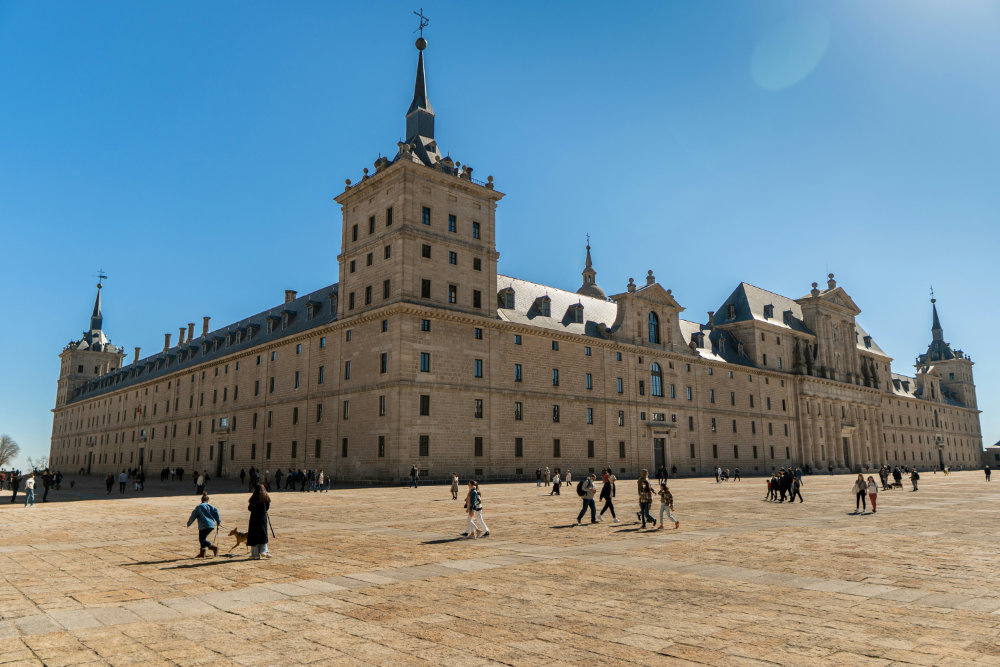
If you’re interested in Spain’s royal history, consider a day trip to El Escorial. This vast complex, about an hour from Madrid, includes a royal palace, monastery, and the pantheon where many Spanish kings are buried. If you’re interested in Spain’s transition to democracy after Franco’s dictatorship, visit the Valley of the Fallen. This controversial monument, about an hour from Madrid, has been the subject of much debate in recent years.
If you’re visiting in winter, don’t miss the chance to go skiing. The Sierra Nevada mountains are just a few hours away by car or bus, offering some of Europe’s most southerly ski resorts.
TIP: While the Plaza Mayor is undoubtedly beautiful and historic, the restaurants lining the square tend to be overpriced and not of the best quality. It’s worth visiting for the atmosphere and a drink, but consider dining elsewhere. Similarly, while flamenco shows are a popular attraction, be wary of those marketed heavily to tourists. For a more authentic experience, check out Corral de la Morería, which has been showcasing top flamenco talent since 1956.
Prices mentioned are accurate at the time of writing (November 2024) and may vary over time.
This article contains affiliate links which means that if you click on these links and make a purchase, we may earn a small commission – which can help keep us producing interesting content for you and others. We share these links because we believe the services may be of interest to you. However, please keep in mind that we are not responsible for any transactions or experiences you have with the companies linked here. We encourage you to do your own research and due diligence before making any purchases. Our affiliation does not guarantee the quality or reliability of the products or services offered.
We want to be transparent about our relationships while providing you with valuable information. Thanks for reading!