
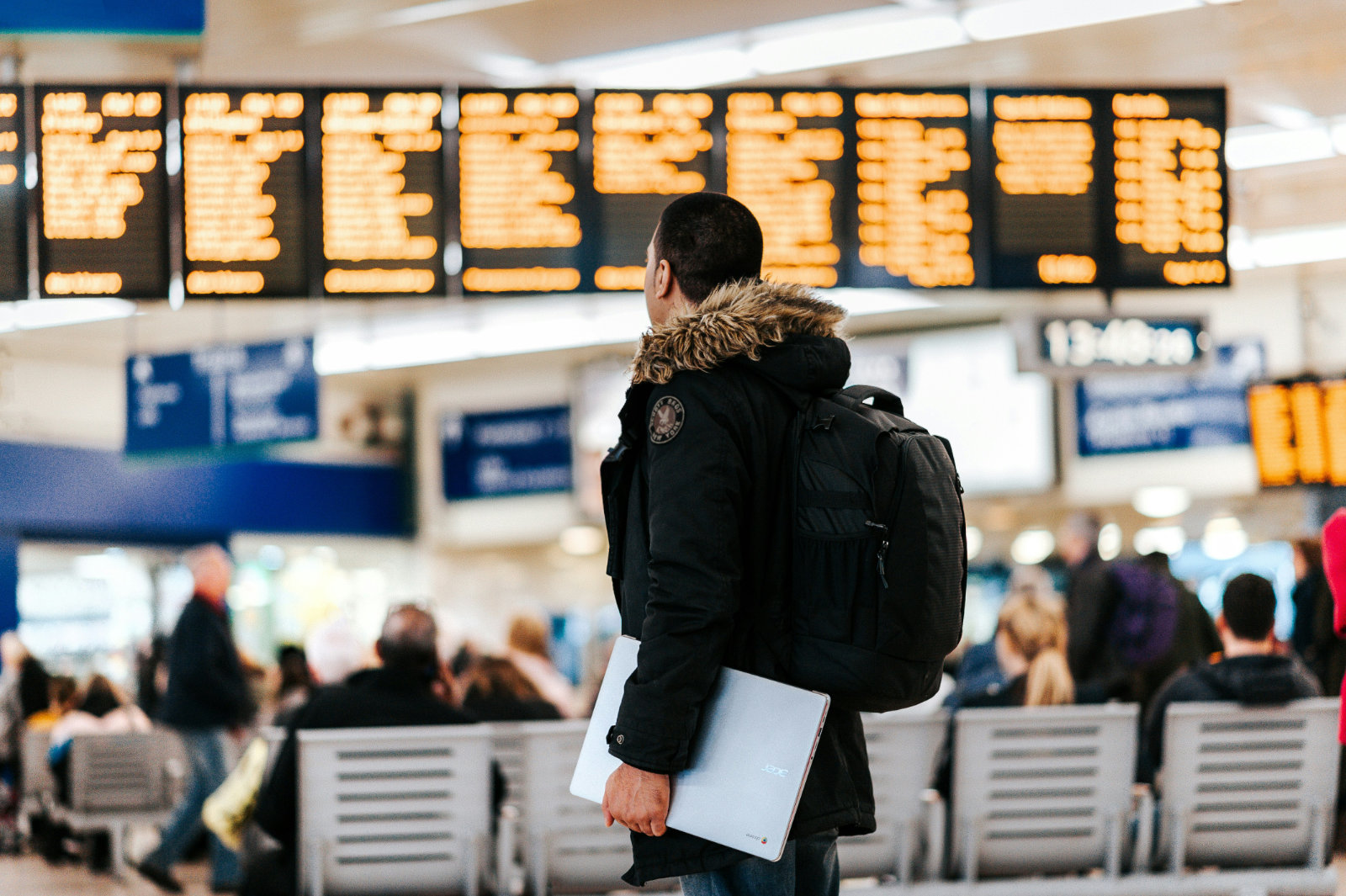
Serving as the major hub for several airlines into Spain
Adolfo Suárez Madrid-Barajas Airport (MAD) is the main international airport serving Madrid, Spain, and is one of the largest and busiest airports in Europe. Its history dates back to 1931 when it first opened as Madrid National Airport, although commercial flights did not commence until 1933. Located about 12 kilometers northeast of the city center, the airport has undergone significant transformations over the decades to accommodate growing passenger demand and advancements in aviation technology.
The airport’s initial construction took place on what was then barren land near Barajas, chosen for its strategic location and accessibility to the capital. The first commercial flight operated by Lineas Aéreas Postales Españolas (LAPE) connected Madrid to Barcelona. Over the years, Barajas expanded rapidly, particularly during the 1950s and 1960s, when it became a vital transit hub between Europe and Latin America. By the end of the 1950s, the airport was serving over half a million passengers annually.
In the 1970s, with the introduction of jumbo jets like the Boeing 747, Barajas experienced a surge in traffic, leading to further expansions. The construction of new terminals began, with Terminal 1 opening in 1971 specifically for international flights. The airport continued to grow throughout the late 20th century, culminating in the completion of Terminal 4 in 2006, which significantly enhanced its capacity and efficiency. Its rich history reflects not only the growth of air travel but also Madrid’s evolution into a global city.
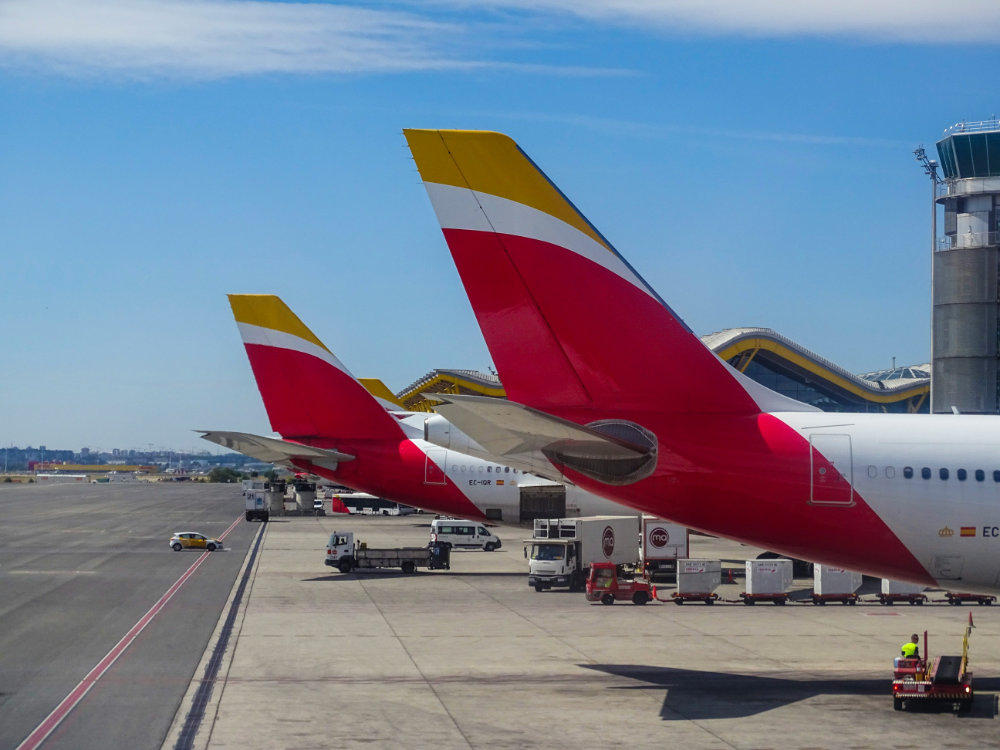
Today, Madrid-Barajas Airport features five terminals (T1, T2, T3, T4, and T4S) and serves as a major hub for several airlines. It is particularly important for Iberia, Spain’s national carrier, which operates numerous domestic and international flights from this airport. Other airlines that serve Madrid include Air Europa, Ryanair, Vueling, and many international carriers such as American Airlines, British Airways, and Lufthansa.
Madrid-Barajas connects travelers to a wide range of destinations across Europe, Africa, Asia, and the Americas. Some of the most popular routes include flights to major cities like London, Paris, New York, Buenos Aires, and Mexico City. Before the COVID-19 pandemic, the airport handled over 61 million passengers annually, making it one of Europe’s busiest airports.
In recent years, there have been ongoing efforts to enhance the airport’s infrastructure further. Aena, Spain’s airport operator, has plans to increase its capacity to handle up to 80 million passengers per year by improving connectivity between terminals and expanding existing facilities.

There is accommodation available at Madrid-Barajas Airport. Here are some options:
- HelloSky Air Rooms Madrid: Located within Terminal T4, this contemporary hotel offers unfussy rooms and a business center. It’s a convenient choice for travelers looking for a place to rest without leaving the airport. You can find more information here.
- Crowne Plaza Madrid Airport: While not directly inside the airport, this hotel is close by and offers a free shuttle service. It features a restaurant, bar, gym, and comfortable rooms. More details can be found here.
- Tach Hotel Madrid Airport: This hotel provides bright rooms and a free shuttle service to the airport. It also has tennis facilities and a bar/eatery. Check it out here.
- Madrid Marriott Auditorium Hotel & Conference Center: A bit further away but still convenient, this hotel offers modern amenities, restaurants, and a pool. More information is available here.
- Hotel NH Madrid Barajas Airport: This hotel is known for its comfortable rooms and is located near the airport with a free shuttle service available. You can find more details here.
These options provide various levels of comfort and amenities, making it easy to find a suitable place to stay whether you need just a few hours of rest or an overnight stay before your next flight.
To get to Madrid from Adolfo Suárez Madrid-Barajas Airport (MAD) using public transport, you have several convenient options. Each method varies in price, duration, and comfort, so you can choose the one that best fits your needs.
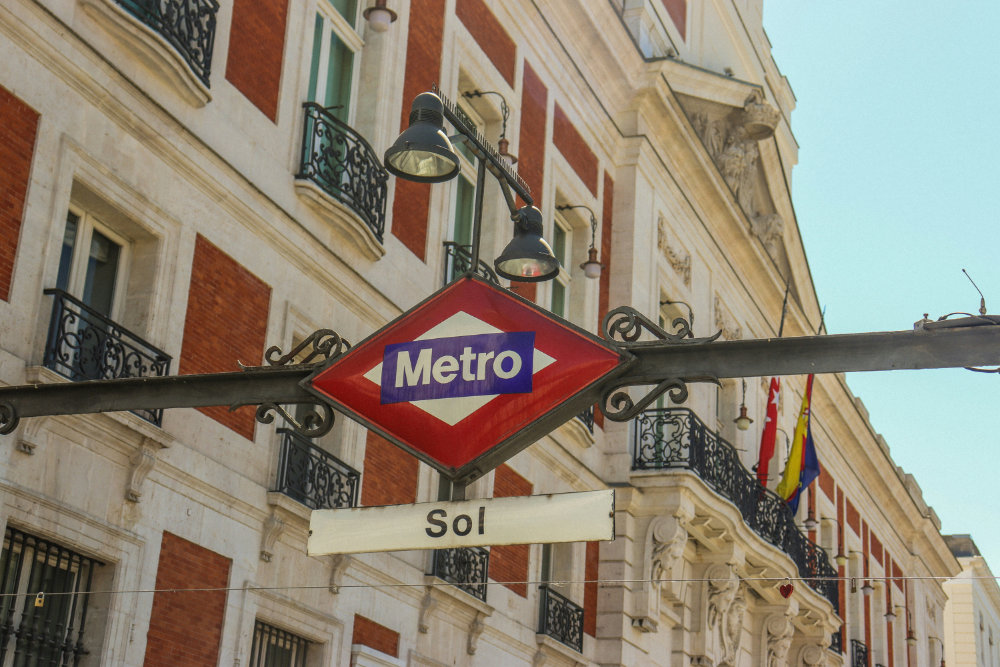
The Madrid Metro is a popular choice for many travelers. The airport is served by Line 8 (the pink line), which connects directly to the city center. You can catch the metro from Terminal 2 or Terminal 4. The journey to Nuevos Ministerios station takes about 15-20 minutes, and a single ticket costs approximately €6, which includes an airport surcharge. The metro operates daily from 6:00 AM to 1:30 AM, with trains running every 6-8 minutes during peak hours. However, if you have a lot of luggage, this option might not be the most convenient due to the need to transfer lines in the city center.
Another efficient option is the Airport Express Bus (Line 203), which operates 24/7. The bus departs from both Atocha railway station and Plaza Cibeles, with a one-way fare of €5. The journey takes around 35-45 minutes depending on traffic. During the day, buses run frequently; at night, the service is slightly reduced but still reliable. This bus is particularly convenient if you’re heading to central locations like Atocha or Cibeles.
For those who prefer traveling by train, the RENFE Cercanías train offers a comfortable ride from Terminal 4 to various key stations in Madrid, including Atocha and Chamartín. The journey to Atocha takes about 30 minutes and costs €2.60. This service runs from approximately 5:15 AM until around midnight, making it a good option for daytime arrivals.
If you’re looking for convenience and don’t mind spending a bit more, taxis are available at a flat rate of €30 to the city center. This option is ideal if you’re traveling with heavy luggage or in a group since it provides door-to-door service without the hassle of navigating public transport.
In summary:
- Metro: €6, ~20 minutes to Nuevos Ministerios.
- Airport Express Bus: €5, ~35-45 minutes.
- Train: €2.60, ~30 minutes to Atocha.
- Taxi: €30 flat rate.
Each option has its own advantages depending on your circumstances, so choose what works best for your arrival!
You can use a credit card to buy tickets at Madrid-Barajas Airport. The airport is equipped with various ticket vending machines and kiosks that accept major credit cards, including Visa and MasterCard. This makes it convenient for travelers arriving at the airport to purchase tickets for public transport options like the Metro, Airport Express Bus, or Cercanías train.
Additionally, if you prefer to buy tickets at the ticket counters for airlines or other services, credit cards are generally accepted as well. Just ensure that your card is enabled for international transactions if you’re using a card issued outside of Spain.
For the most seamless experience, it’s always a good idea to check with your bank regarding any potential foreign transaction fees that may apply if using your credit card abroad.
Adolfo Suárez Madrid-Barajas Airport stands as a critical gateway for travelers coming to Spain and serves as a vital link between Europe and Latin America.
Prices mentioned are accurate at the time of writing (November 2024) and may vary over time.


