
Francesinha: Porto’s Iconic Sandwich
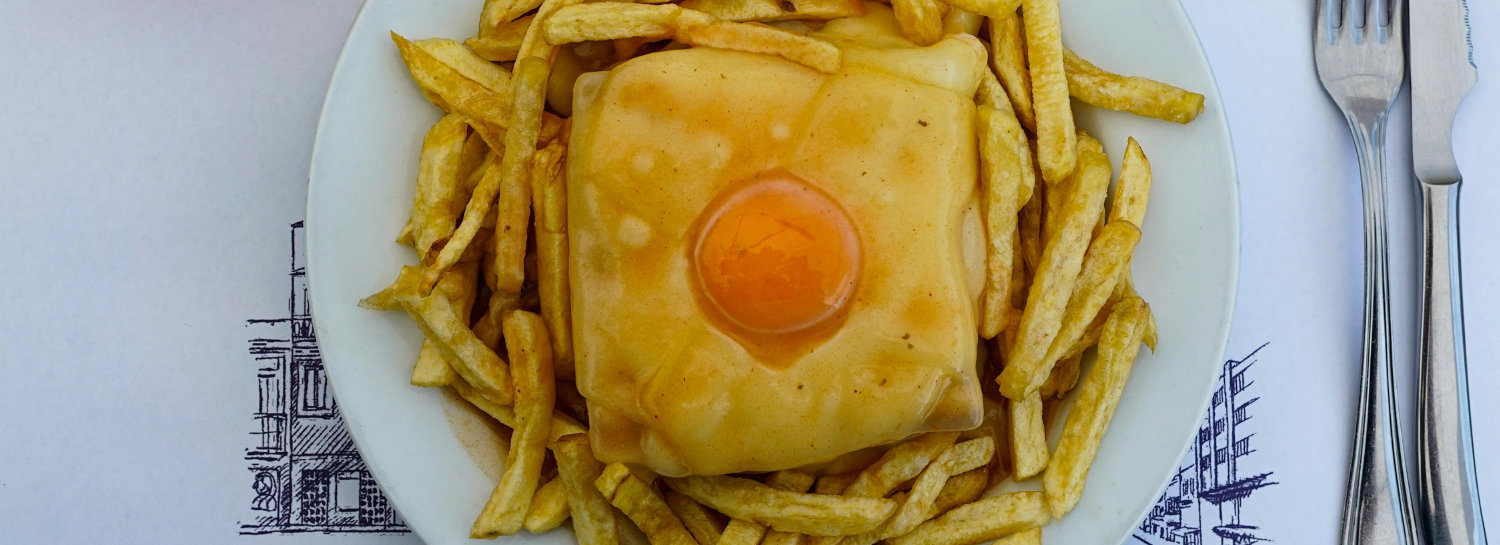
The francesinha stands as a culinary icon of Porto, Portugal. This hearty sandwich combines layers of meat, cheese, and a spicy beer sauce to create a dish that captivates locals and tourists alike. Originating in the 1950s, the francesinha has become synonymous with Porto’s food culture and continues to evolve while maintaining its core identity.
The Birth of a Legend
Daniel Silva, a Portuguese emigrant, created the francesinha in the 1950s after returning from France. Inspired by the French croque-monsieur, Silva adapted the concept to Portuguese tastes. He first introduced the sandwich at Regaleira restaurant in Porto, where it quickly gained popularity. The name “francesinha” translates to “little French girl” in Portuguese, nodding to its French inspiration.
Anatomy of a Francesinha
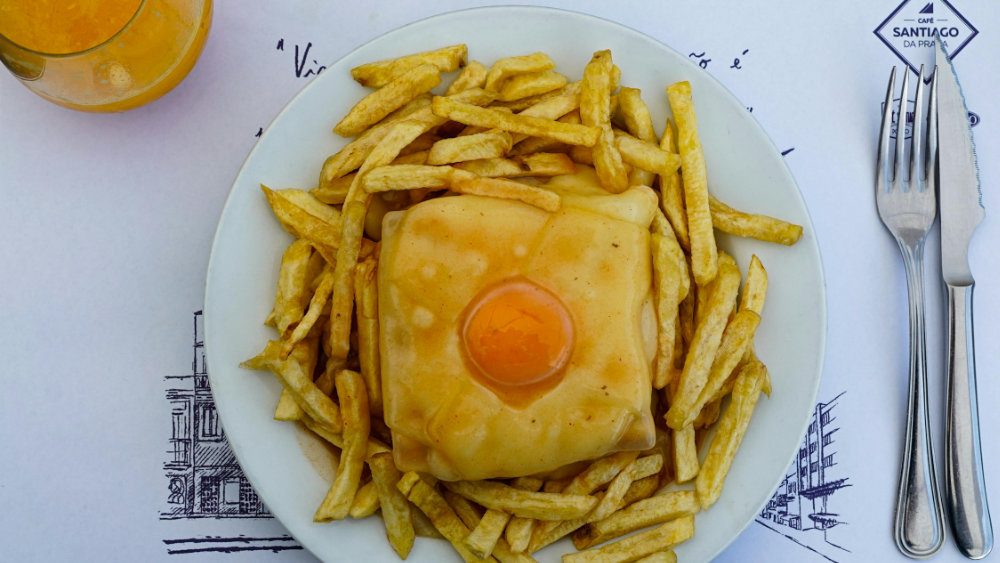
At its core, the francesinha is a multi-layered sandwich. It starts with thick slices of white bread. Between these slices, you’ll find a variety of meats:
- Steak (usually sirloin or rump)
- Linguiça (a Portuguese sausage)
- Fresh sausage (similar to Italian sausage)
- Ham
- Sometimes bologna
Chefs cover the sandwich with melted cheese, typically a type that melts well. A fried egg often crowns the creation. The final, crucial element is the spicy beer sauce that drenches the sandwich.
The Secret Sauce
The sauce is what sets each francesinha apart. While recipes vary, most include:
- Beer
- Tomatoes
- Onions
- Garlic
- Beef stock
- Spices
Many restaurants guard their sauce recipes closely, considering them trade secrets. The sauce’s flavor and consistency can make or break a francesinha, leading to fierce competition among Porto’s eateries.
Preparing a Francesinha
Making a francesinha at home requires several steps:
- Toast the bread slices.
- Cook the meats: grill the steak and sausages.
- Assemble the sandwich: layer bread, meats, and cheese.
- Melt the cheese under a broiler.
- Prepare the sauce separately.
- Pour the hot sauce over the sandwich.
- Top with a fried egg if desired.
Traditionally, francesinhas come with a side of french fries. Some prefer roasted potato wedges as a slightly healthier alternative.
Cultural Impact
The francesinha has become more than just a sandwich; it’s a cultural phenomenon in Porto. Locals debate passionately about which restaurant serves the best version. The dish has inspired festivals and competitions, where chefs compete to create the most delicious francesinha.
While primarily associated with Porto, the francesinha’s popularity has spread throughout Portugal. It’s now a must-try dish for visitors to the country, especially those exploring Porto’s culinary scene.
The francesinha embodies Porto’s hearty, unpretentious approach to food. It reflects the city’s working-class roots and love for robust flavors. As Porto’s tourism industry grows, the francesinha serves as an ambassador for Portuguese cuisine.
In recent years, chefs have begun experimenting with francesinha variations. Vegetarian versions now exist, using tofu and veggie sausages in place of meat. These adaptations allow more people to experience this iconic dish while respecting dietary preferences.
The francesinha’s journey from a simple sandwich to a culinary icon mirrors Porto’s own evolution. As the city embraces modernity while honoring tradition, so too does its signature dish continue to captivate and evolve.
For those visiting Porto, trying a francesinha is an essential experience. It offers a taste of the city’s history, culture, and culinary prowess in one indulgent package. Whether enjoyed in a traditional tavern or a modern restaurant, the francesinha promises a memorable meal.
In conclusion, the francesinha stands as a testament to Porto’s creativity and love for good food. From its humble beginnings to its current status as a cultural icon, this sandwich continues to delight and surprise. It embodies the spirit of Porto: bold, hearty, and unapologetically unique. As long as there are hungry diners and passionate chefs in Porto, the francesinha will remain a beloved part of Portuguese cuisine.


