
Portugal’s Pet Laws: A Comprehensive Guide for Animal Lovers
Portugal has embraced a pet-friendly culture, with an estimated 43% of families owning pets, totaling about 5.8 million domestic animals. As the country continues to welcome pet owners, it’s crucial to understand the laws and regulations governing pet ownership. This article will explore the key aspects of Portugal’s pet laws, ensuring you and your furry friends can live harmoniously in this beautiful country.
Registration and Identification

Portugal requires all dogs, cats, and ferrets to be registered and identified. Pet owners must register their animals with the Sistema de Informação de Animais de Companhia (SIAC) within 120 days of birth or arrival in Portugal. The registration fee is a modest 2.50 euros per pet. Microchipping is mandatory for all dogs, cats, and ferrets. A veterinarian must implant the microchip under the pet’s skin, usually on the neck. After implantation, owners have 30 days to register the chip information with local authorities. Failure to comply with these registration and identification requirements can result in fines ranging from 50 to 3,740 euros for individuals and up to 44,890 euros for businesses.
Vaccination and Health Requirements
Pet owners in Portugal must follow a strict vaccination program. The rabies vaccine is particularly important and requires annual renewal. Veterinarians will not administer vaccines or perform other procedures without first confirming the pet’s registration in the SIAC system. When bringing pets into Portugal, owners must ensure their animals meet specific health requirements. Pets must be at least 12 weeks old to travel, or between 12 and 16 weeks with anti-rabies vaccinations administered less than 12 days prior. Pregnant animals are not allowed entry.
Housing and Public Spaces
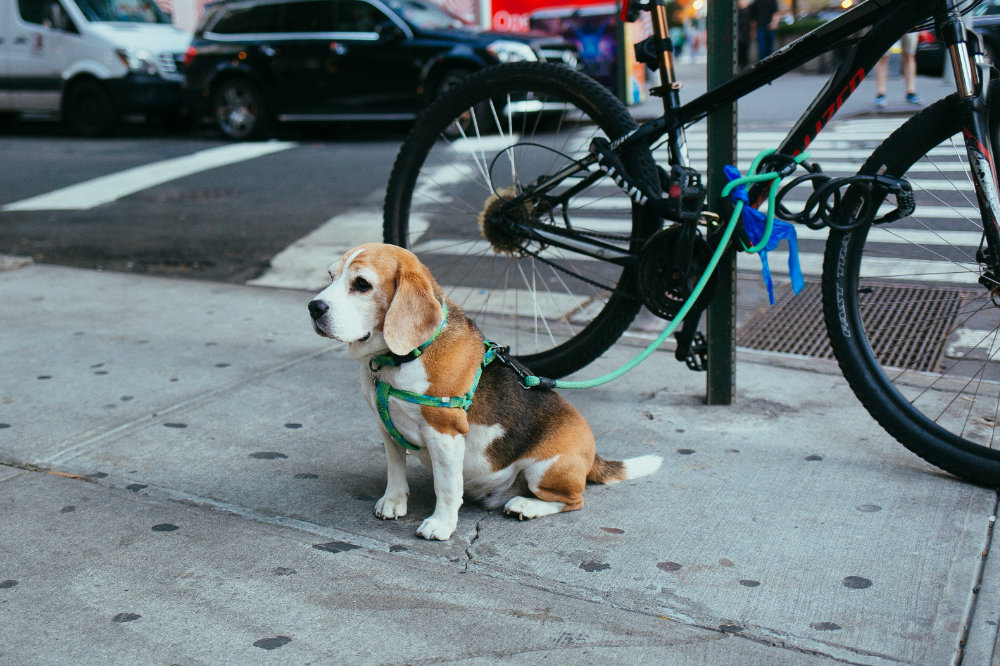
Portugal has set clear rules for keeping pets in urban areas. In apartments, residents can have up to three dogs or four cats, with a maximum total of four pets. Exceptions allowing up to six pets require municipal authorization. When in public spaces, pets must be on a leash and wear a collar with the owner’s contact information. Breeds considered dangerous or violent must also wear a muzzle. These rules ensure the safety of both pets and the public.
Pet-Friendly Establishments and Transportation
Portugal’s pet-friendly attitude extends to many commercial establishments. Pets can accompany their owners into shops and restaurants marked as “pet friendly”. However, they must remain on a short leash and cannot roam freely. Public transportation generally allows non-dangerous pets, provided they are clean, disease-free, and properly secured. During summer, dogs are prohibited on concession beaches but are welcome on beaches without lifeguards or designated dog-beaches.
Pet Owner Responsibilities

Pet ownership in Portugal comes with significant responsibilities. Owners must comply with animal welfare standards, ensuring proper hygiene and veterinary care. The law now recognizes pets as living beings with feelings, deserving legal protection against abuse and negligence. Pet owners must renew their pet’s license annually at their local parish services. They should also update the SIAC system with any changes in ownership, residence, or if the pet goes missing or dies. Portugal’s pet laws aim to promote responsible pet ownership and prevent animal abandonment. By understanding and following these regulations, pet owners can enjoy a fulfilling life with their animal companions in this pet-loving country. Whether you’re a long-time resident or planning to move to Portugal with your pets, these laws ensure a safe and welcoming environment for all.


