A Journey of Discovery and Tradition
Throughout human history, journeys have been more than mere physical traverses – they’re transformative experiences that challenge our perspectives, connect us to deeper traditions, and reveal the shared threads of our collective human experience. The Camino de Santiago, or the Way of Saint James, embodies this profound truth, representing not just a walking route across Spain, but a living, breathing testament to cultural resilience, spiritual exploration, and personal discovery.
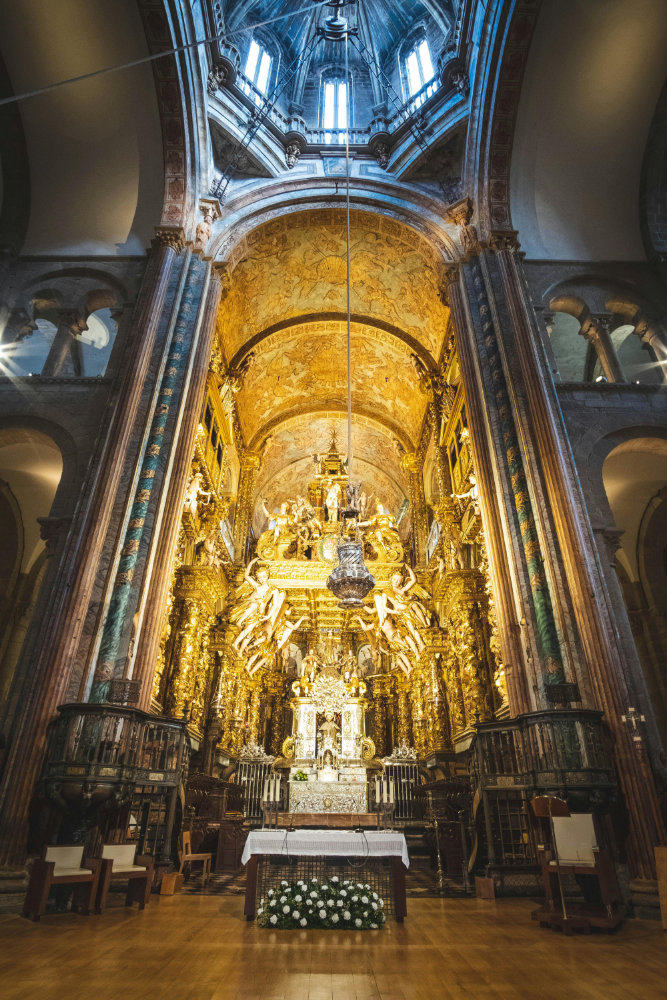
Stretching across the stunning landscapes of northern Spain, the Camino de Santiago is far more than a simple hiking trail. It’s a centuries-old pilgrimage route that has drawn travelers, seekers, and adventurers from around the world, each walking their own path of meaning and reflection. The primary destination is the magnificent Cathedral of Santiago de Compostela in Galicia, where tradition holds that the remains of Saint James the Apostle are interred.
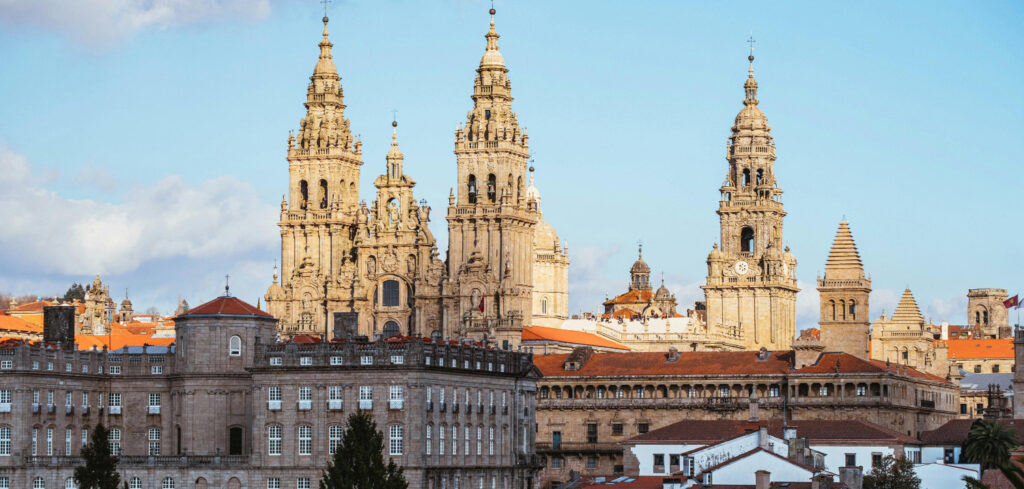
The origins of the Camino de Santiago date back to the 9th century, when legend tells of the discovery of Saint James’s remains by a hermit guided by a celestial star. This miraculous event transformed the small town of Santiago de Compostela into one of the most important Christian pilgrimage destinations, rivaling Jerusalem and Rome. Throughout the medieval period, hundreds of thousands of pilgrims would undertake this arduous journey, seeking spiritual redemption, adventure, and connection.
What makes the Camino truly remarkable is how it transcends religious boundaries. While its roots are deeply Christian, today’s pilgrims represent a diverse global community – believers and non-believers alike, united by a shared sense of purpose and an appreciation for human endurance and cultural exchange.
The most popular route, the Camino Francés (French Way), stretches approximately 780 kilometers from Saint-Jean-Pied-de-Port in France to Santiago de Compostela. However, several alternative routes offer unique experiences: the Camino del Norte along the northern coastal regions, the Primitive Way originating in Oviedo, and the Portuguese Way starting in Lisbon.
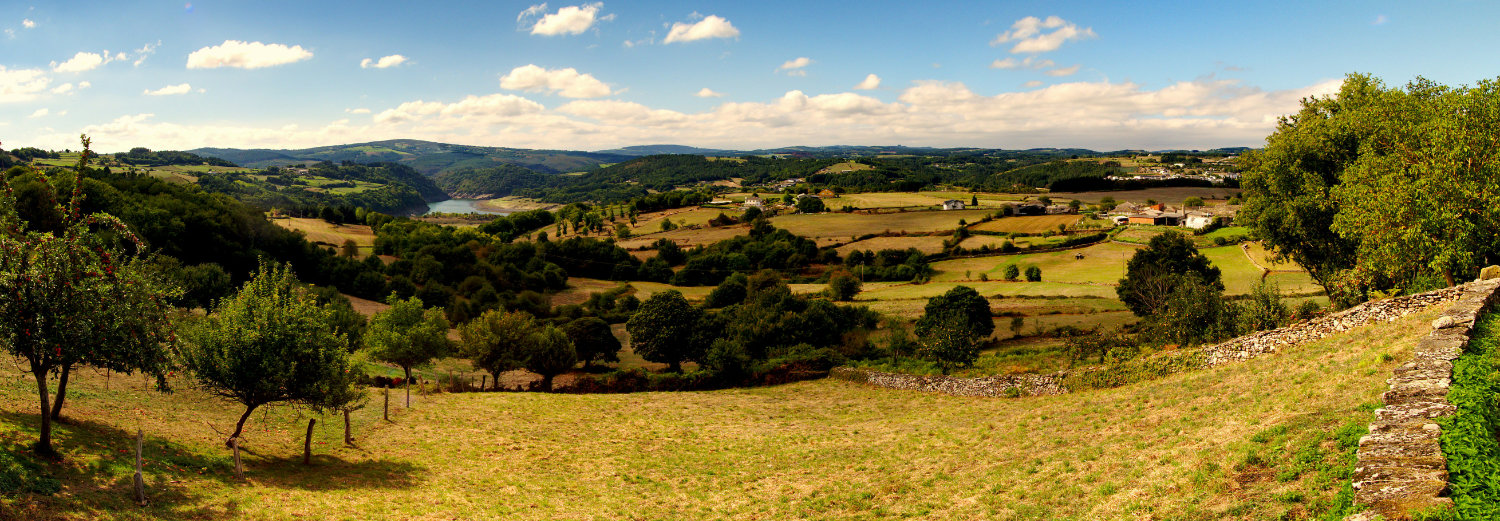
Each route presents its own tapestry of landscapes – from the verdant Pyrenees mountains to the rolling wheat fields of Castilla y León, from rugged Atlantic coastlines to ancient forest paths. Travelers will encounter medieval bridges, Romanesque churches, modern infrastructure, and small villages that seem suspended in time.
For those considering this transformative journey, careful planning is essential. The walking season typically runs from April to October, with peak months being July and August. Temperatures can range from cool 10°C (50°F) in spring to warm 30°C (86°F) in summer, so appropriate clothing and preparation are crucial.
Reaching the starting points is relatively straightforward. Major Spanish cities like Madrid and Barcelona offer excellent transportation connections. For the Camino Francés, most pilgrims start in Saint-Jean-Pied-de-Port, which can be reached by train from Paris, or in Pamplona, accessible via Spain’s efficient train and bus networks.
Travelers can choose multiple transportation methods. Flying into major airports like Madrid-Barajas, Barcelona-El Prat, or Santiago de Compostela Airport provides convenient access. Spain’s RENFE train system connects major cities, while bus companies like ALSA provide extensive regional transportation. Driving is also an option, with highways and well-maintained roads making travel comfortable, though parking in historic town centers can be challenging.
Pilgrims need a “Credencial del Peregrino” (Pilgrim’s Passport), available at most starting points and churches along the route. This document not only serves as an official record of your journey but also allows access to pilgrim-specific accommodations called “albergues.”
Budget considerations are important. While the Camino can be done economically, expenses vary. Accommodation in pilgrim hostels ranges from €10-30 per night. Daily food costs typically run €15-25, with an additional €5-10 for miscellaneous expenses. Most travelers can expect to budget between €30-65 daily, depending on their comfort level.
The gastronomic journey is as rich as the physical one. Each region offers distinctive culinary experiences. In Navarra, travelers can savor hearty “cocido” stew. Galicia offers incredible seafood – razor clams, octopus, and the famous “pulpo a la gallega.” The wines from La Rioja region are world-renowned, with robust reds that perfectly complement local cuisine.
For those seeking exceptional dining experiences, several restaurants stand out along the route. Casa Marcelo in Santiago de Compostela offers Michelin-starred traditional Galician cuisine. Asador Alameda in Pamplona is renowned for exceptional grilled meats, while El Celler de Can Roca in Girona provides a world-renowned dining experience.
The Camino is not just a physical journey but a cultural odyssey. Museums and historical sites dot the route, offering glimpses into rich local histories. The Museo del Camino in Astorga, the Guggenheim Museum in Bilbao, and the Royal Palace of Olite in Navarra provide fascinating insights into the region’s cultural heritage.
Families traveling with children will find numerous interactive experiences that bring history to life. Medieval reenactments in town squares, astronomical observatories, interactive history museums, and regional cooking classes ensure that younger travelers remain engaged and entertained.
Practical preparation is key to a successful pilgrimage. Physical training before departure is crucial. Invest in high-quality, broken-in walking shoes and pack lightweight, moisture-wicking clothing. Most experienced pilgrims recommend carrying a backpack weighing no more than 10% of your body weight. Staying hydrated and maintaining a steady pace are essential.
For modern pilgrims seeking comprehensive information, several online resources prove invaluable. The official Camino de Santiago Tourism Website provides extensive details. Camino Ways offers planning resources, while Pilgrims Passport Online assists with documentation.
What makes the Camino de Santiago extraordinary is not just its historical significance or breathtaking landscapes, but its capacity to transform individuals. Each step is an opportunity for reflection, each encounter a chance for understanding, each mile a testament to human resilience and connection.
Whether motivated by spiritual quest, personal challenge, historical interest, or simple wanderlust, pilgrims discover something profound: the journey is ultimately about human connection. In an increasingly fragmented world, the Camino reminds us that our differences are superficial, our shared humanity deep and enduring.
As travelers have done for over a thousand years, you too can walk this ancient path, adding your own story to its rich, continuing narrative. The Camino de Santiago awaits – not just as a destination, but as an invitation to discover yourself amidst centuries of human experience.