
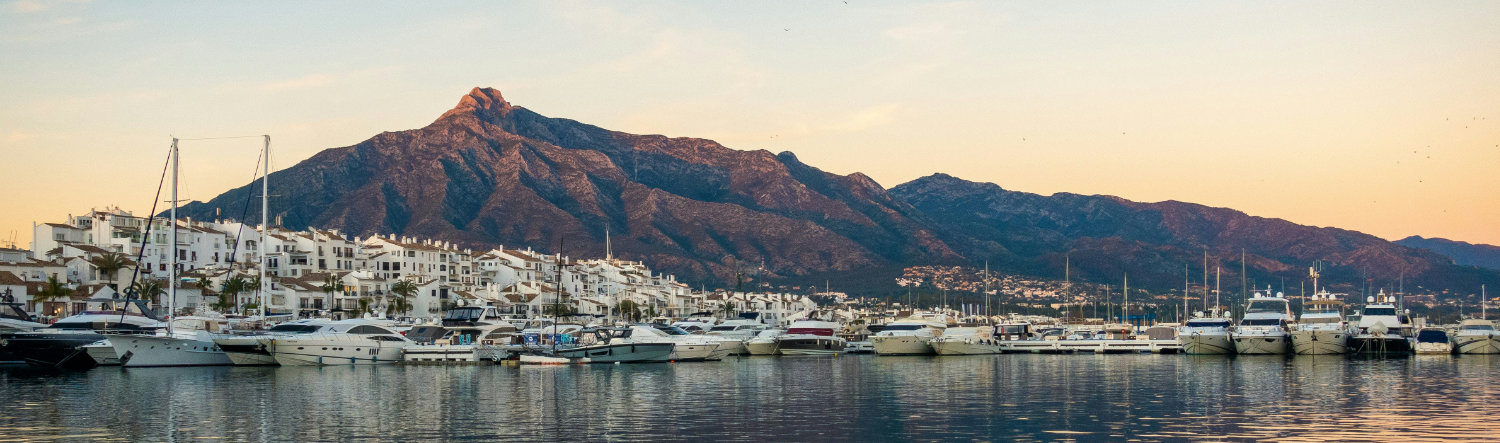
A sun-soaked jewel on Spain’s Costa del Sol has something for everyone
Marbella has a rich history and a whole lot of charm that’s been drawing visitors for decades.
Marbella’s story goes way back – we’re talking ancient times. The area was first settled by the Phoenicians around 600 BC, and later came under Roman rule. You can still see traces of this history at sites like the Roman Villa of Rio Verde, where some incredible mosaics have survived the test of time.
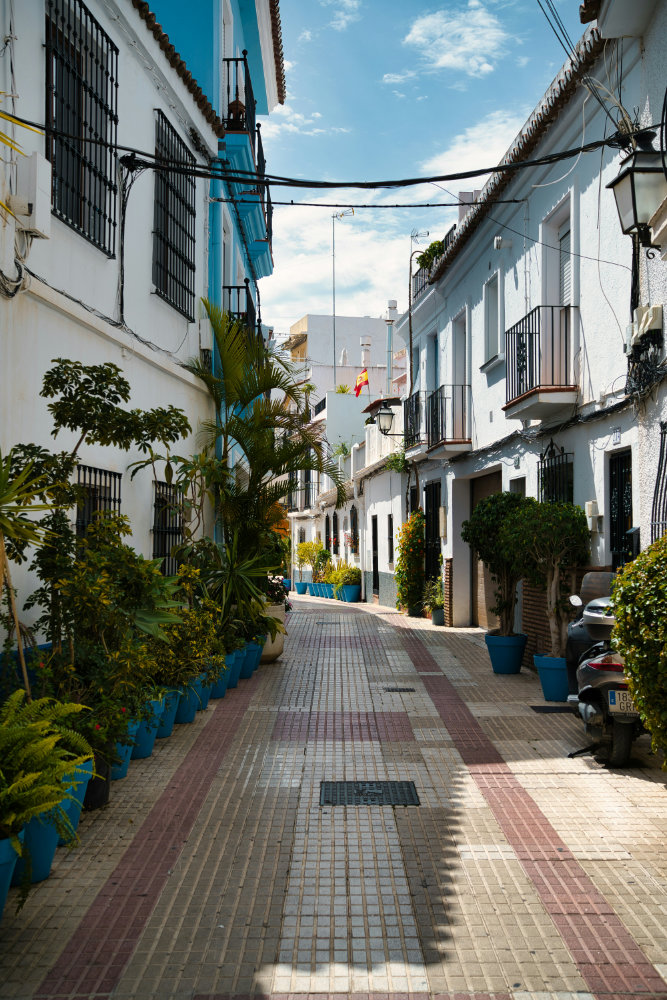
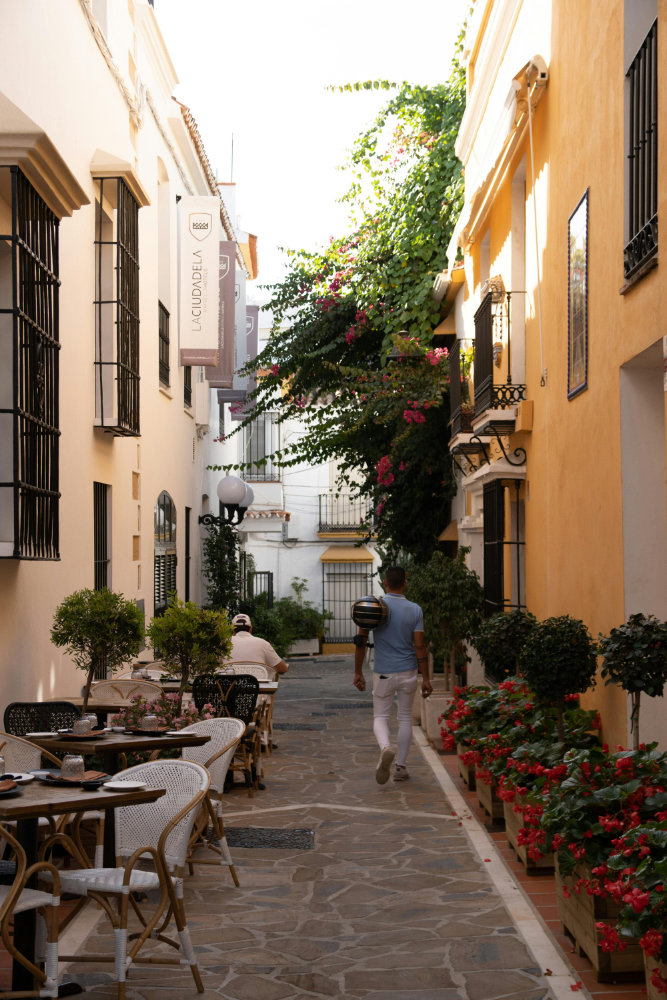
But it’s the old town, or Casco Antiguo, that really captures the heart of Marbella’s past. Picture narrow, winding streets lined with whitewashed buildings, bursting with colorful flowers. At its center is the Orange Square – Plaza de los Naranjos. This charming plaza, dating back to 1485, is surrounded by historic buildings, including the town hall. Grab a coffee at one of the cafes here and soak in the atmosphere – it’s like stepping back in time.
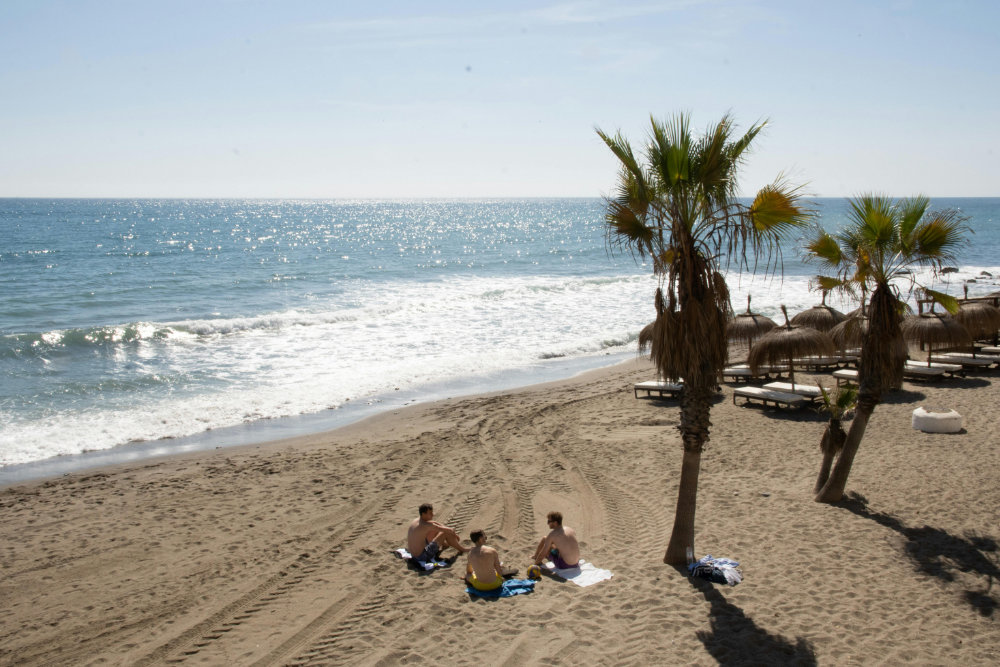
Now, let’s talk about those beaches. Marbella boasts nearly 17 miles of coastline, with 24 different beaches to choose from. Whether you’re looking for a lively spot with beach clubs and water sports, or a quieter cove for some relaxation, you’ll find it here. One of the most popular is Playa de la Fontanilla, right in the heart of town. It’s got that perfect golden sand and clear blue water that postcards are made of.
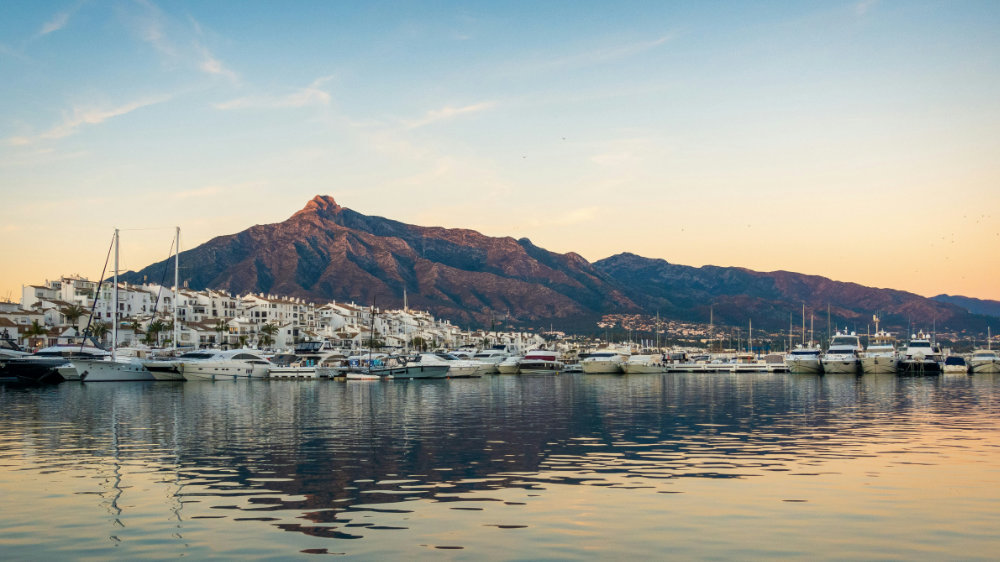
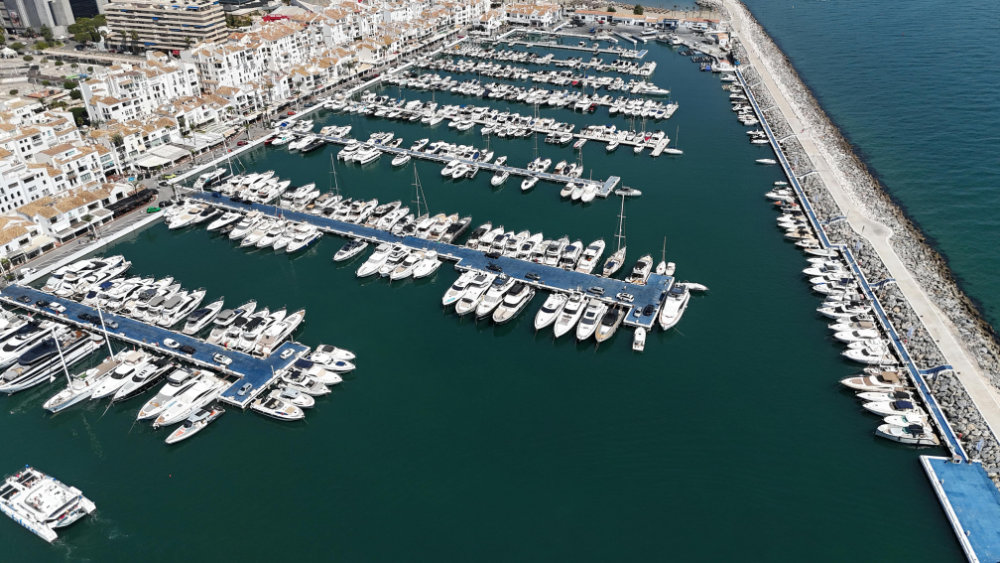
But Marbella isn’t just about history and beaches – it’s got a reputation as a playground for the rich and famous. The Golden Mile, stretching from Marbella to Puerto Banús, is lined with luxury hotels, high-end boutiques, and exclusive beach clubs. Speaking of Puerto Banús, this marina is where you’ll find some seriously impressive yachts and maybe even spot a celebrity or two.
Now, I know what you’re thinking – “this all sounds great, but what about the food?” Well, let me tell you, Marbella’s got you covered. The city is home to some fantastic restaurants, including several with Michelin stars. But you don’t need to break the bank to eat well here. For a true taste of local cuisine, head to Taberna Casa Curro. Their pescaíto frito – a mix of fried fish – is the real deal. And don’t forget to try some gazpacho, that refreshing cold soup that’s perfect on a hot day.
Speaking of hot days, Marbella’s climate is pretty sweet. With over 320 days of sunshine a year, it’s no wonder people flock here. But even in the height of summer, those sea breezes keep things comfortable.
If you’re planning a visit, you might want to time it with one of Marbella’s festivals. The Feria de San Bernabé in June is a week-long party celebrating the city’s patron saint. Expect parades, flamenco dancing, and plenty of sherry. In October, there’s the San Pedro Alcántara Fair, another lively event with music, dancing, and traditional costumes.
Getting to Marbella is pretty straightforward. The nearest airport is Málaga-Costa del Sol, about 45 minutes away by car. You can rent a car at the airport, or take a bus directly to Marbella. If you’re coming from elsewhere in Spain, the A-7 coastal highway runs right through Marbella.
Once you’re in town, you’ll find that Marbella is pretty walkable, especially in the old town and along the beachfront. There’s also a good bus network for getting around, and taxis are readily available.
As for where to stay, Marbella has options for every budget. At the high end, you’ve got places like the Marbella Club Hotel, where rooms start at around €500 a night. But there are plenty of more affordable options too. The Hotel San Cristóbal in the old town offers rooms from about €80 a night.
Now, I’ve got to warn you about a few tourist traps. Some of the beach clubs can be pretty pricey, charging hefty fees just for a sunbed. And while Puerto Banús is worth a visit, the restaurants there tend to be overpriced. You’ll often find better food and better value in the old town or in local neighborhoods.
One place that’s definitely worth the hype is the Alameda Park. This beautiful botanical garden right in the center of town is a perfect spot for a stroll or a picnic. Don’t miss the gorgeous ceramic benches – they’re works of art in themselves.
For a bit of culture, check out the Ralli Museum. It’s got a great collection of Latin American art, and best of all, it’s free to visit. The Museum of Spanish Contemporary Engravings is another hidden gem, showcasing works by Picasso, Miró, and Dalí.
If you’re into golf, you’re in luck. Marbella is surrounded by top-notch golf courses. The Real Club de Golf Guadalmina is one of the oldest and most prestigious.
For a day trip, consider heading up to Ronda. This stunning town, perched dramatically on a cliff, is about an hour’s drive from Marbella. The views are incredible, and the historic bullring is a must-see, even if you’re not into bullfighting.
Back in Marbella, make sure to take a stroll along the Paseo Marítimo, the beachfront promenade. It stretches for miles and is lined with bars and restaurants. It’s the perfect spot for an evening walk as the sun sets over the Mediterranean.
When it comes to nightlife, Marbella has something for everyone. For a sophisticated evening, try the rooftop bar at the Amàre Beach Hotel. If you’re after something livelier, head to Plaza Junta de Andalucía in the old town, where you’ll find a cluster of bars popular with locals and tourists alike.
Now, let’s talk about some of those local specialties I mentioned earlier. Espeto de sardinas – sardines grilled on a skewer over an open fire – is a Costa del Sol classic. You’ll find them at many of the chiringuitos (beach bars) along the coast. Another local favorite is ajoblanco, a cold soup made with almonds and garlic. It’s usually served with grapes or melon and is incredibly refreshing on a hot day.
For dessert, try some pionono, a small rolled pastry filled with cream and topped with caramelized sugar. It originated in nearby Granada but has become popular all over Andalusia.
When it comes to drinks, you can’t go wrong with a glass of local wine. The Málaga region produces some excellent sweet wines, perfect for sipping as an aperitif. And of course, there’s always sangria – just be aware that what’s served to tourists is often a far cry from the real deal.
If you’re looking to do some shopping, the old town is full of small boutiques and artisan shops. For high-end designer goods, head to Puerto Banús. But for a more local experience, check out the weekly market in Nueva Andalucía. It’s held every Saturday morning and is a great place to pick up everything from fresh produce to clothing and souvenirs.
One thing to keep in mind – Marbella can get pretty crowded in July and August. If you’re not a fan of crowds, consider visiting in the shoulder season. May and June or September and October still offer great weather, but with fewer tourists and lower prices.
For those interested in water sports, Marbella’s got plenty to offer. You can try everything from jet skiing to parasailing. Cable Ski Marbella offers wakeboarding without the need for a boat – it’s a unique experience and a lot of fun.
If you’re traveling with kids, they might enjoy a visit to Funny Beach Marbella. It’s got go-karts, trampolines, and other attractions right on the beach.
For a bit of pampering, Marbella is home to some world-class spas. The Marbella Club Thalasso Spa offers treatments using seawater and marine products.
Nature lovers should make time for a visit to the Sierra Blanca mountains, which form a stunning backdrop to Marbella. There are hiking trails for all levels, offering breathtaking views of the coast.
As you explore Marbella, you’ll notice the influence of different cultures that have left their mark on the city. From the remnants of Roman and Moorish rule to the more recent influx of international visitors, Marbella is a true melting pot.
One aspect of Marbella that often gets overlooked is its art scene. Besides the museums I mentioned earlier, there are several small galleries scattered throughout the old town. Keep an eye out for works by local artists.
When it comes to accommodations, don’t feel like you have to stay right in the center of Marbella. Some of the nearby towns, like San Pedro de Alcántara or Elviria, offer a quieter atmosphere and are still within easy reach of all the attractions.
If you’re a fitness enthusiast, you’ll find plenty of options in Marbella. Many hotels have well-equipped gyms, and there are several public parks with outdoor exercise equipment. You’ll also see lots of people jogging or cycling along the seafront promenade.
For a unique experience, consider taking a day trip to Tangier, Morocco. It’s possible to do this as a day trip from Marbella, with ferries departing from nearby Tarifa. Just make sure you have your passport and any necessary visas.
As you can see, Marbella is a place of contrasts. It’s got the glitz and glamour, sure, but it’s also got history, culture, and natural beauty. It’s a place where you can rub shoulders with the jet set one day and explore ancient ruins the next. Where you can dine in Michelin-starred restaurants or enjoy simple, delicious local food on the beach.
Whether you’re looking for a relaxing beach holiday, a cultural experience, or a bit of luxury, Marbella’s got something for you. Just remember to take time to explore beyond the tourist hotspots. Strike up a conversation with locals, try that little restaurant down the side street, take a walk in a neighborhood you haven’t heard of.
That’s the real magic of Marbella – and of travel in general. It’s not just about ticking off the must-see sights, but about the experiences you have and the people you meet along the way. So pack your bags, bring your sense of adventure, and get ready to discover all that Marbella has to offer. Who knows? You might just fall in love with this little corner of Spain, just like so many others have before.
Prices mentioned are accurate at the time of writing (November 2024) and may vary over time.


