

The olive harvest in Portugal and Spain is a deeply rooted tradition, celebrated for its rich cultural significance and economic importance. Each year, as autumn descends, the landscape of these two Iberian nations transforms into a tapestry of olive groves, where families and communities come together to partake in this labor-intensive yet rewarding endeavor. The 2024 harvest season has been particularly noteworthy, with both countries experiencing favorable weather conditions that promise a bountiful yield.
In Portugal, the olive harvest typically begins in mid-October and extends into November. This year, producers anticipate an impressive output of between 170,000 and 190,000 metric tons of olive oil, marking a significant rebound from previous years affected by drought and adverse weather conditions. The wet winter preceding the harvest replenished water reserves, which is crucial for olive trees, especially in traditional growing regions like Trás-os-Montes and Alentejo. Farmers in these areas have reported that the cooler temperatures and adequate rainfall have contributed to the quality of the olives, although challenges such as labor shortages persist. Many traditional groves remain reliant on manual harvesting methods due to their terrain, making it difficult to find enough workers during peak season.
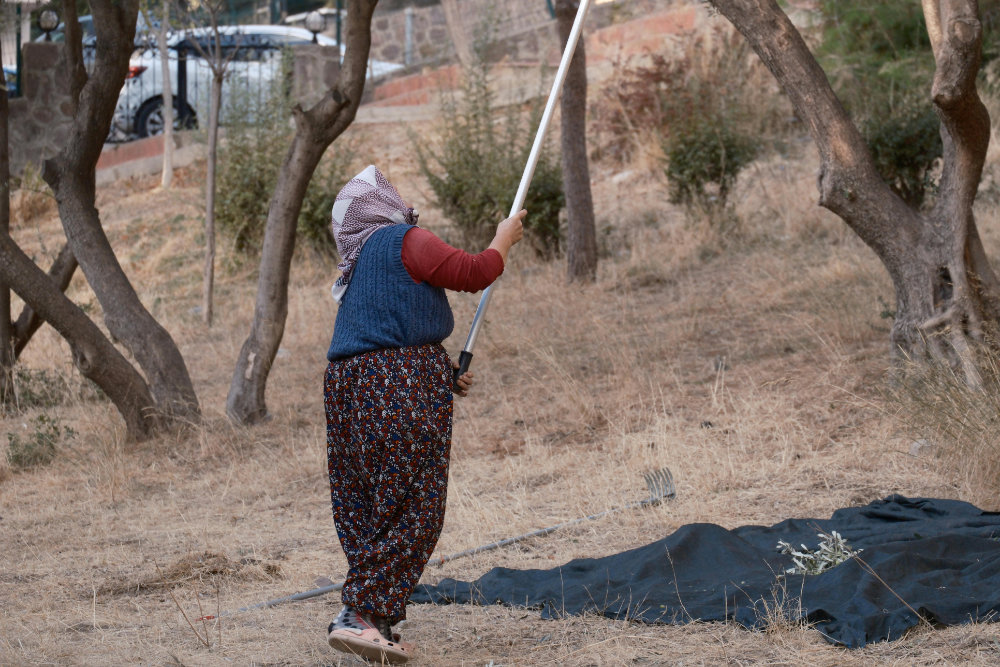
The methods of harvesting olives vary widely across regions. In northern Portugal’s Alto Minho, for example, small-scale farmers often use simple tools such as sticks to beat the branches or hand-pick olives into buckets. This method not only preserves the integrity of the trees but also fosters a sense of community as families and friends gather to assist one another. The harvested olives are then taken to local presses where they are transformed into high-quality olive oil. The process is meticulous; olives must be cleaned and sorted before pressing to ensure the best flavor and quality.
Spain, renowned as one of the world’s largest producers of olive oil, is also gearing up for a fruitful harvest in 2024. Estimates suggest that Spain will produce between 1.4 and 1.5 million tons of olive oil this year, a significant increase compared to previous years marked by poor yields due to drought conditions. The ideal weather conditions experienced this past winter have rejuvenated many non-irrigated groves across Andalusia, which is home to some of the country’s most prolific olive-producing regions like Jaén and Córdoba. Farmers are optimistic about the upcoming harvest; they expect not only quantity but also quality improvements due to favorable climatic conditions during critical growth periods.
The harvesting techniques in Spain often reflect its vast scale of production. While large commercial operations employ advanced machinery for efficient harvesting, smaller producers may still rely on traditional methods similar to those used in Portugal. For instance, hand-harvesting remains common in certain areas where terrain or tree age makes mechanical harvesting impractical. As with Portugal, community engagement plays a vital role in the Spanish harvest; friends and family often come together to help with the labor-intensive process.
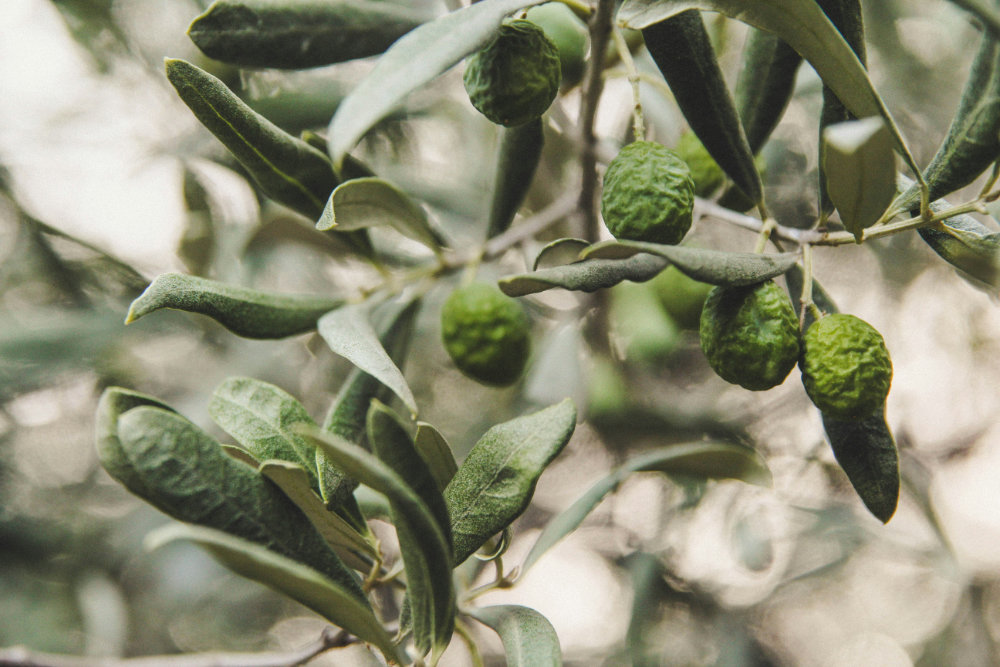
Both countries face challenges during the harvest season beyond just labor shortages. Weather fluctuations can significantly impact production quality and yield. Excessive rain during harvest can lead to lower oil accumulation in olives or affect the overall quality of the oil produced. Producers must remain vigilant about these variables while also managing pests and diseases that can threaten their crops.
Despite these challenges, the olive oil industry remains a cornerstone of both Portuguese and Spanish agriculture. It not only contributes significantly to their economies but also embodies cultural heritage that spans centuries. Olive cultivation has been practiced in these regions for over 3,000 years, with many ancient trees still bearing fruit today. The pride associated with producing high-quality olive oil is palpable among farmers who often view their work as both an art and a tradition.
As the harvest progresses into November, communities across Portugal and Spain will continue their time-honored practices of gathering olives. From family gatherings in rural villages to bustling presses transforming fresh olives into liquid gold, the spirit of collaboration and respect for nature is evident at every stage of production.
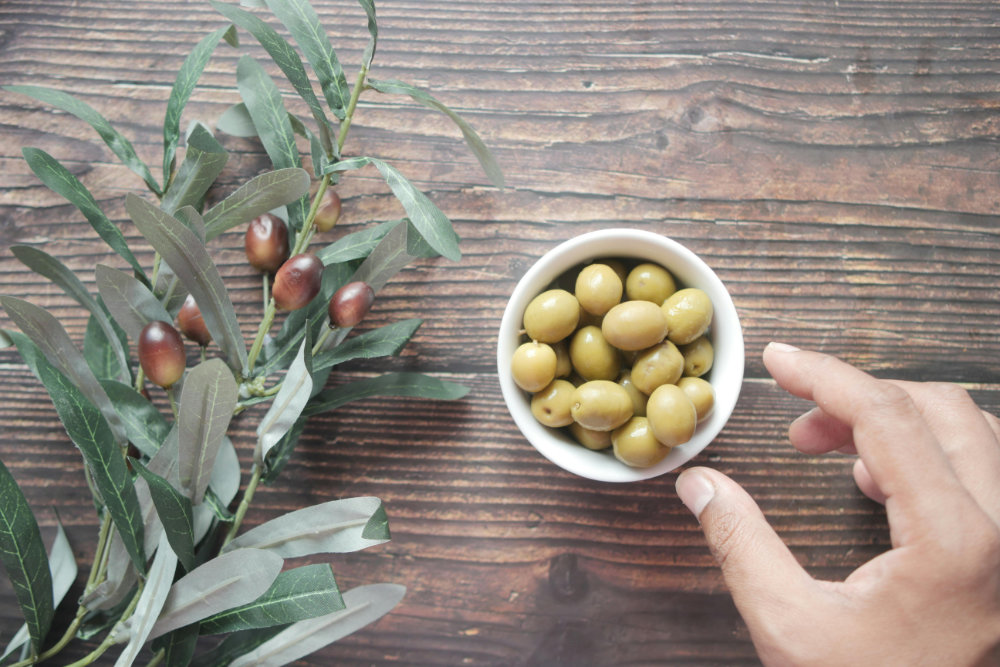
In summary, the olive harvest in Portugal and Spain is more than just an agricultural event; it is a celebration of community, tradition, and resilience against environmental challenges. With promising forecasts for this year’s yield and ongoing commitment from local producers to uphold quality standards, both countries are poised to enhance their positions within the global olive oil market while preserving their rich cultural legacies associated with this beloved fruit. As consumers increasingly seek out authentic products with deep-rooted histories, Portuguese and Spanish olive oils will undoubtedly continue to shine brightly on dinner tables across the world.