

Portugal’s news landscape is marked by a mix of political, economic, and social developments. The country is currently observing a public holiday weekend, with All Saints’ Day being celebrated on Friday, November 1st.
In political news, Portugal’s MEP candidates have contested the idea of sending EU troops to Ukraine, a proposal put forward by French President Emmanuel Macron. The candidates argue that this should be considered only as a last resort, emphasizing Portugal’s current military limitations. This stance reflects the country’s cautious approach to international conflicts and its commitment to diplomatic solutions.
The visit of Ukrainian President Volodymyr Zelenskyy to Portugal next Tuesday has been officially confirmed by the government. This high-profile visit is expected to strengthen diplomatic ties between the two nations and potentially lead to discussions on further support for Ukraine in its ongoing conflict with Russia.

On the domestic front, Portugal is grappling with various challenges. The head of surgery and ten surgeons have resigned from the Amadora/Sintra hospital, highlighting ongoing issues in the healthcare sector. This mass walk-out is centered on the reinstatement of ‘whistleblowing doctors’, indicating potential conflicts within the medical community and hospital administration.
The country’s prison guard unions have rejected the government’s latest proposal for pay rises, warning of a ‘hot summer’ of strikes if a satisfactory deal is not reached. This situation underscores the ongoing negotiations between public sector workers and the government over working conditions and compensation.
In demographic news, the number of foreigners living in Portugal has surpassed one million, marking a significant milestone in the country’s population composition. This increase in foreign residents reflects Portugal’s growing attractiveness as a destination for expatriates, retirees, and immigrants.
The recent regional elections in Madeira saw the social democrats win without a majority, potentially leading to negotiations for coalition formation or minority government. This result could have implications for the political landscape of the autonomous region and its relationship with the mainland government.
On the economic front, Portugal’s property market continues to attract attention. Lisbon apartments are reported to be the cheapest in Europe, according to the HousingAnywhere International Rent Index for the third quarter of 2024. While room prices in Porto and Lisbon have remained stable compared to the previous year, flat prices in Lisbon have decreased by 10.4% year-on-year. In contrast, Porto has seen an 11% increase in flat rents compared to the same period last year.
The tourism sector, a crucial component of Portugal’s economy, is showing signs of recovery and growth. Portimão’s International Masters Futsal has been delayed until 2025, indicating ongoing adjustments in the events calendar. Meanwhile, Lagoa’s FATACIL exhibitor spaces are fully booked, suggesting strong interest in local trade fairs and exhibitions.
In environmental news, Morgado do Quintão has been recognized as the biggest organic vineyard in the Algarve, highlighting Portugal’s commitment to sustainable agriculture and wine production. This recognition could boost the region’s reputation in the organic wine market.
Portugal’s efforts in addressing social issues are also noteworthy. Vila Real de Santo António (VRSA) is seeking to showcase its homelessness strategy, potentially offering insights for other municipalities dealing with similar challenges. Additionally, a recent food bank campaign collected 1,755 tonnes of food, demonstrating the country’s strong sense of community and social responsibility.
In business news, Portugal’s economic landscape is showing signs of both challenges and opportunities. The government has emphasized the need to maintain a balanced budget in negotiations with the police, indicating a cautious approach to public spending. This stance is likely influenced by broader economic considerations and the need for fiscal responsibility.
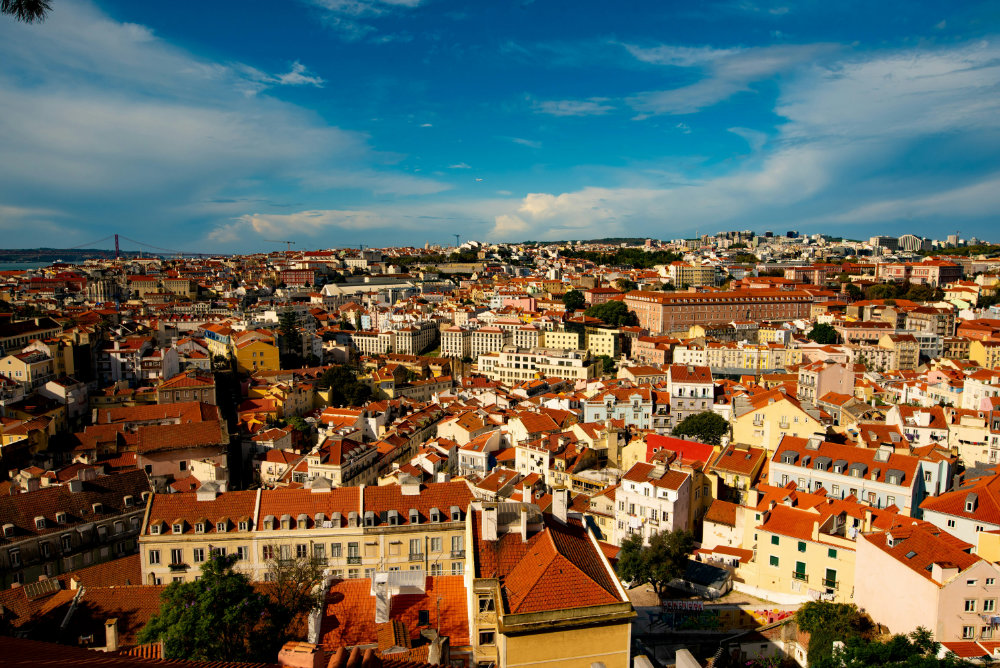
The property market continues to be a significant focus, with Lisbon’s apartments being reported as the cheapest in Europe. This could potentially attract foreign investment and boost the real estate sector. However, it also raises questions about affordability for local residents and the impact on the city’s social fabric.
Portugal’s tourism industry, a key driver of the economy, is showing signs of recovery. The delay of Portimão’s International Masters Futsal to 2025 suggests ongoing adjustments in the events calendar, but the full booking of exhibitor spaces at Lagoa’s FATACIL indicates strong interest in local trade fairs and exhibitions. These developments point to a gradual return to normalcy in the tourism and events sector.
The recognition of Morgado do Quintão as the largest organic vineyard in the Algarve highlights Portugal’s growing presence in the sustainable agriculture and wine production market. This could open up new export opportunities and enhance the country’s reputation in the global wine industry.
In the tech sector, Portugal continues to position itself as an attractive destination for digital nomads and tech companies. The government’s policies supporting this trend could lead to increased foreign investment and job creation in the technology and innovation sectors.
The banking and financial services sector is adapting to new realities, with an increased focus on digital transformation and fintech solutions. Portuguese banks are investing in technology to improve customer experience and operational efficiency, while also complying with evolving regulatory requirements.

Portugal’s renewable energy sector is experiencing growth, with ongoing investments in solar and wind power projects. The country’s commitment to sustainable energy sources is not only environmentally significant but also presents economic opportunities in terms of job creation and energy export potential.
The manufacturing sector, particularly in areas such as textiles and footwear, is working on recovery strategies post-pandemic. There’s a focus on innovation, sustainability, and digital integration to enhance competitiveness in global markets.
Small and medium-sized enterprises (SMEs), which form the backbone of Portugal’s economy, are receiving support through various government initiatives aimed at fostering innovation, digitalization, and internationalization. These efforts are crucial for maintaining economic dynamism and job creation.
Regarding the weather forecast for the next three days, Portugal is experiencing a mix of conditions as November begins. For Friday, November 1st, rain is expected in most regions, with the exception of Madeira. Temperatures will vary across the country, with Braga reaching a maximum of 23°C and Guarda experiencing a cooler 13°C. Porto is expected to see temperatures not exceeding 21°C, while Lisbon and Faro will reach around 18-19°C. Saturday, November 2nd, brings a shift to sunnier conditions for most of the mainland, although the Azores will continue to see rain. Temperatures are set to rise slightly, with Braga and Santarém reaching 24°C, Porto 23°C, Lisbon 21°C, and Faro 19°C. Guarda remains the coolest at 16°C. Sunday’s forecast suggests a gradual increase in cloud cover from south to north, with a possibility of rain on the coast south of Cabo Carvoeiro in the late afternoon. Overall, the weekend weather appears to be improving after a rainy start, offering a mix of conditions for the public holiday weekend.