
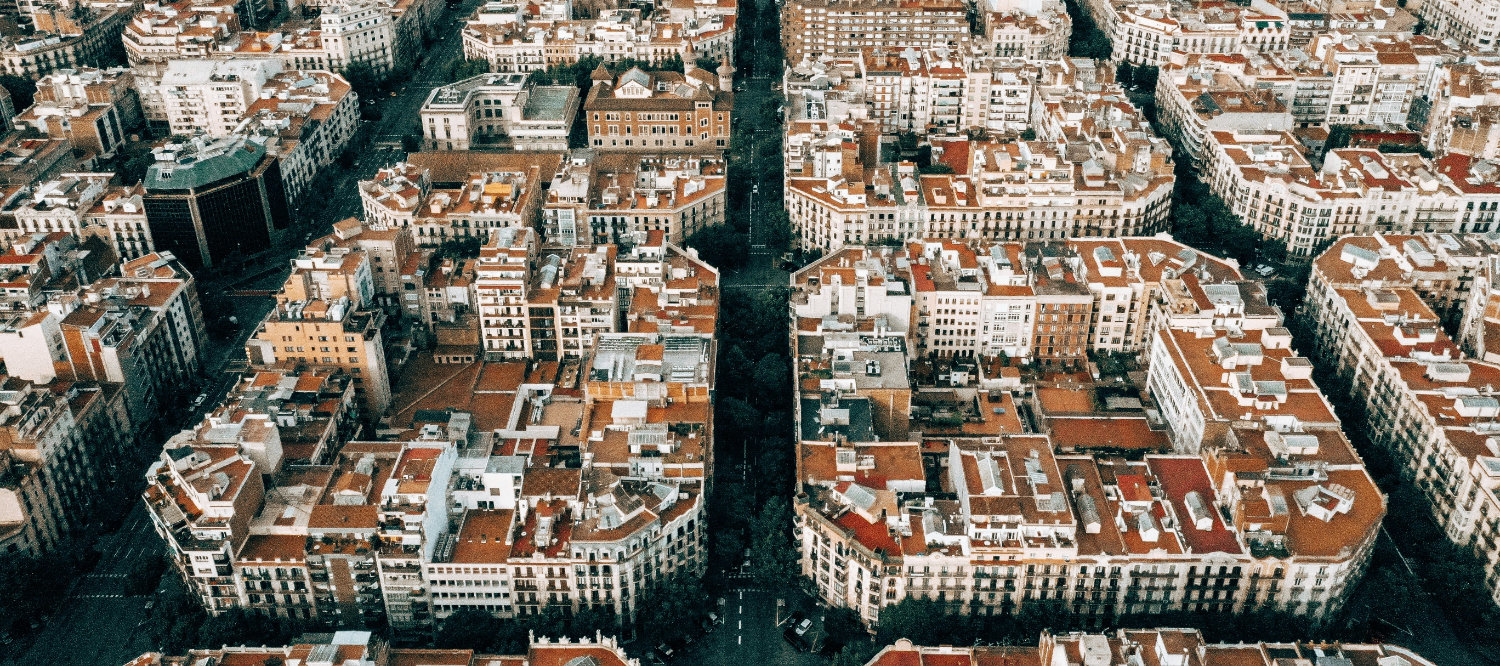
A mix of challenges and opportunities
Barcelona, a city that captures the heart and soul of anyone who visits, is experiencing some growing pains as it navigates the complexities of its housing market.
With its stunning architecture, rich history, and vibrant culture, it’s no wonder that people from all over the world flock to this Catalan gem. However, the influx of tourists and new residents has placed significant stress on the local housing market, leading to a mix of challenges and opportunities for both locals and visitors alike.
The demand for housing in Barcelona has skyrocketed in recent years, driven by a combination of factors including tourism, economic growth, and a limited supply of available land. As a result, rental prices have surged, making it increasingly difficult for long-time residents to find affordable housing. Barcelona has become the most expensive capital city in Spain for renters, with prices averaging around €22.1 per square meter per month.
This situation is particularly challenging for families and individuals who are feeling the pinch of rising costs while trying to maintain their roots in a city they love. Despite these challenges, there’s a palpable sense of resilience among Barcelona’s residents.
Many locals are actively engaging in discussions about how to address these issues while still welcoming tourists. The city has implemented initiatives like the Barcelona Right to Housing Plan, which aims to tackle the housing crisis by increasing the availability of affordable housing and regulating tourist rentals. This plan reflects a commitment to ensuring that housing serves a social function rather than just an investment opportunity.
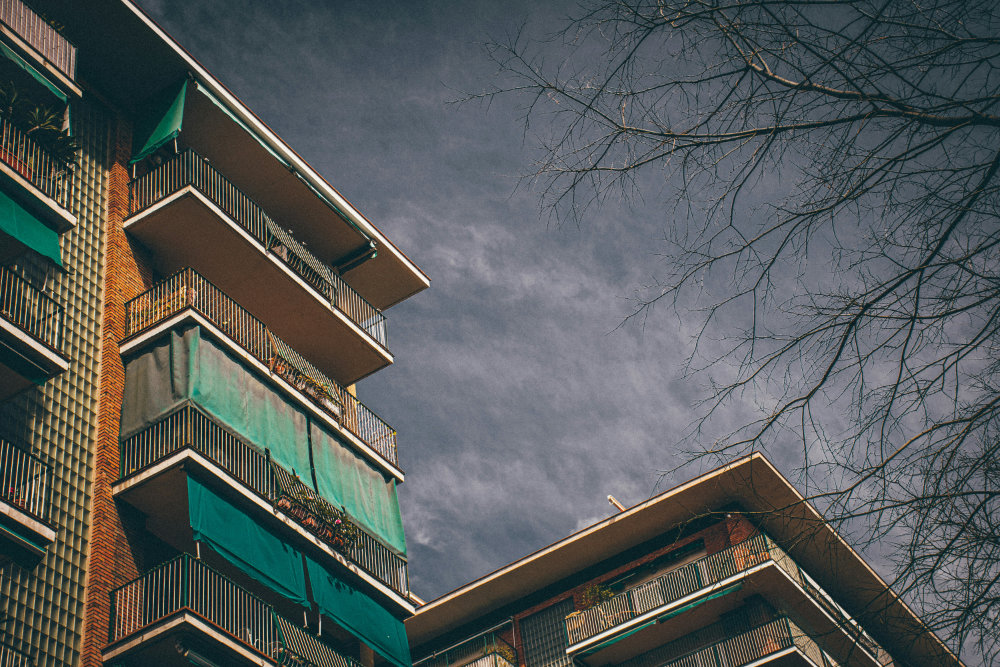
Barcelona is taking significant steps to address the challenges posed by short-term tourist rentals, which have been a source of tension between residents and the booming tourism industry. These initiatives are part of a broader effort to ensure that the city remains livable for its residents while still accommodating visitors.
One of the most notable measures is the city council’s plan to ban all short-term tourist rentals by November 2028. This decree, approved by the Government of Catalonia in November 2023, aims to eliminate approximately 10,101 currently operating tourist flats and convert them back into residential properties. The goal is to increase the housing stock available for locals, particularly as rental prices have surged in recent years – by about 70% over the last decade. Mayor Jaume Collboni emphasized that this initiative is crucial for maintaining a diverse and stable community in Barcelona, stating, “More supply of housing is needed… so that the working middle class does not have to leave the city because they can’t afford housing.”
In addition to the outright ban on new tourist rentals, Barcelona has implemented a Special Plan on Urban Tourist Accommodation (PEUAT) since 2017. This plan has led to significant enforcement actions against illegal rentals, with over 10,500 fines issued and nearly 9,700 closure orders executed since 2016. The number of monthly advertisements for tourist lets has dramatically decreased from around 6,000 to between 300 and 400 due to rigorous monitoring and removals from platforms like Airbnb.
The city is also working on making a measure that reserves 30% of new homes and major renovations for protected housing more effective. Although this initiative has seen limited success so far – with only 91 homes added since its approval in 2018 – the city aims to enforce this quota more strictly moving forward.
Despite these proactive measures, there are concerns among property owners and stakeholders in the tourism sector. The Association of Tourist Apartments of Barcelona (Apartur) argues that eliminating short-term rentals could lead to an increase in illegal rentals and reduce family tourism in the city. They contend that many property owners rely on income from these rentals and fear that such drastic measures will harm their livelihoods.

The city’s approach is not just about limiting tourist accommodations but also about ensuring that any new developments prioritize residential use. The local government plans not to approve any urban planning that allows permanent residential homes to be used for tourism purposes. This comprehensive strategy aims to balance the needs of both residents and tourists while addressing the housing crisis head-on.
Locals have been vocal about their experiences with tourism. While many appreciate the economic benefits that visitors bring – such as job creation and cultural exchange – there’s a growing call for more sustainable tourism practices that respect the needs of residents. Some neighborhoods have seen up to 25% of rental properties converted into short-term tourist accommodations, which exacerbates competition for long-term housing. Residents have shown increasing frustration with what they perceive as “over-tourism,” leading to protests calling for more sustainable tourism practices. Many locals have expressed support for initiatives that prioritize housing availability over short-term rental profits. This sentiment reflects a growing desire among Barcelonans to reclaim their neighborhoods from the pressures of excessive tourism. However, there’s hope as community groups and local government work together to find solutions that balance the needs of both residents and tourists.
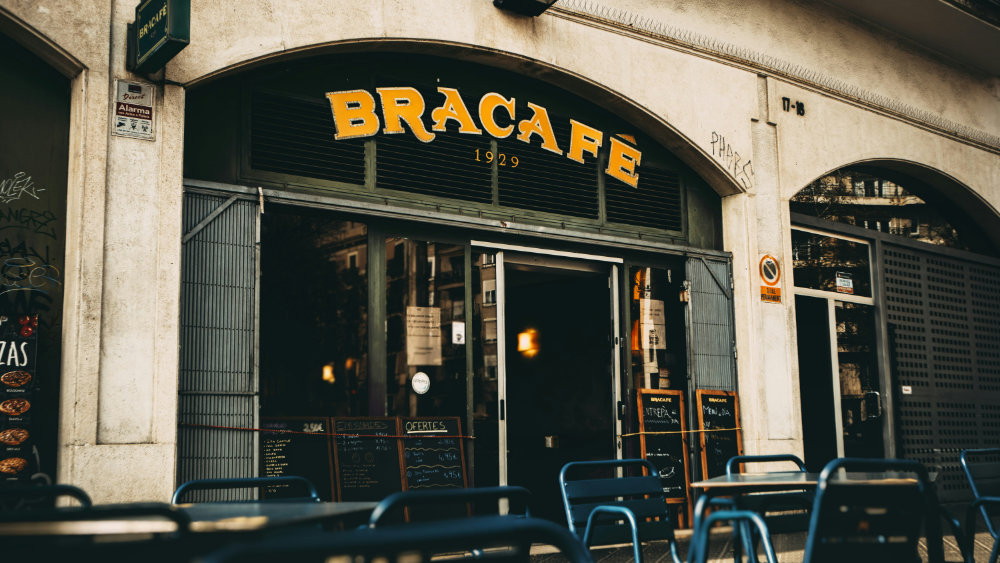
In response to these pressures, many Barcelonans are embracing innovative approaches to living in their beloved city. For instance, cooperative housing schemes are gaining traction as a way for residents to secure affordable living arrangements while fostering a sense of community. The city is also exploring ways to mobilize vacant properties and repurpose them for residential use. These efforts reflect a positive attitude towards change and adaptability in the face of challenges.
For those looking to experience Barcelona’s charm without contributing to its housing strain, there are plenty of ways to enjoy the city responsibly. Consider staying in less touristy neighborhoods where you can immerse yourself in local life while supporting businesses that cater primarily to residents. Areas like Gràcia or Sant Andreu offer delightful cafes, shops, and parks where you can enjoy the city’s atmosphere without adding pressure to already strained rental markets.
It’s clear that Barcelona’s journey involves both challenges and opportunities. The city is taking proactive steps through initiatives aimed at preserving its character while accommodating growth. Locals are finding creative solutions to maintain their communities amidst rising costs and increased tourism. So whether you’re strolling along Las Ramblas or savoring churros at Chök, remember that you’re partaking in something special – a city that’s evolving yet remains deeply rooted in its rich history and vibrant culture.
While there are stresses on the housing market in Barcelona due to tourism and economic factors, there’s also an undeniable spirit of community and resilience among its residents. With ongoing efforts from both locals and city officials aimed at creating sustainable solutions, there’s plenty of reason to remain optimistic about Barcelona’s future as both a beloved home for its residents and an enchanting destination for visitors from around the globe.


